
Washington – where we took in the politics, saw inside the Pentagon, explored America’s most-visited museum, visited the world’s biggest library, and went on a secret spy mission.

We arrived in Washington in the District of Columbia in a state of exhaustion. But there was no time to rest as we were booked in to a tour of Capital Hill on the first day. So off we trudged with a heavy heart as we had received a letter the day before advising that our tour of the White House “could not be accommodated.” This is after almost two months of correspondence, security checks and form filling.
We went through a US Congresswoman as the Australian Embassy no longer provides this service. We got through all the hoops and in the end, it seemed to come down to too many bookings. and the fact that American citizens get first preference. So close…
Capital Hill
The Congress buildings were interesting but rather cramped (and thus hard to photo) and restoration work was being done on the dome of the rotunda (probably as a result of all those recent blockbuster movies where it was destroyed by a Transformer robot or terrorists).
The statues that adorn rooms of the building are voted on by each US state. Each state is able to nominate two statues at a time and they usually reflect the political makeup of the state ruling party. Thus you get Arnie Schwarzenegger nominating Ronald Reagan as a fellow Republican actor. We were also told that Arizona is about to introduce a statue of Barry Goldwater to the Capital. You will recall Barry’s progressive work in filabusting against the Civil Rights Act in the 1960s. I kept thinking of the song from Lil’ Abner “The County’s in the Very Best of Hands.”
The Congress and Senate were not in session as it was a Saturday but we got a feel for what the place must be like when all the pollies are in. Much like Parliament House in Canberra but with a few more neoclassical flourishes.

The United States Capitol building
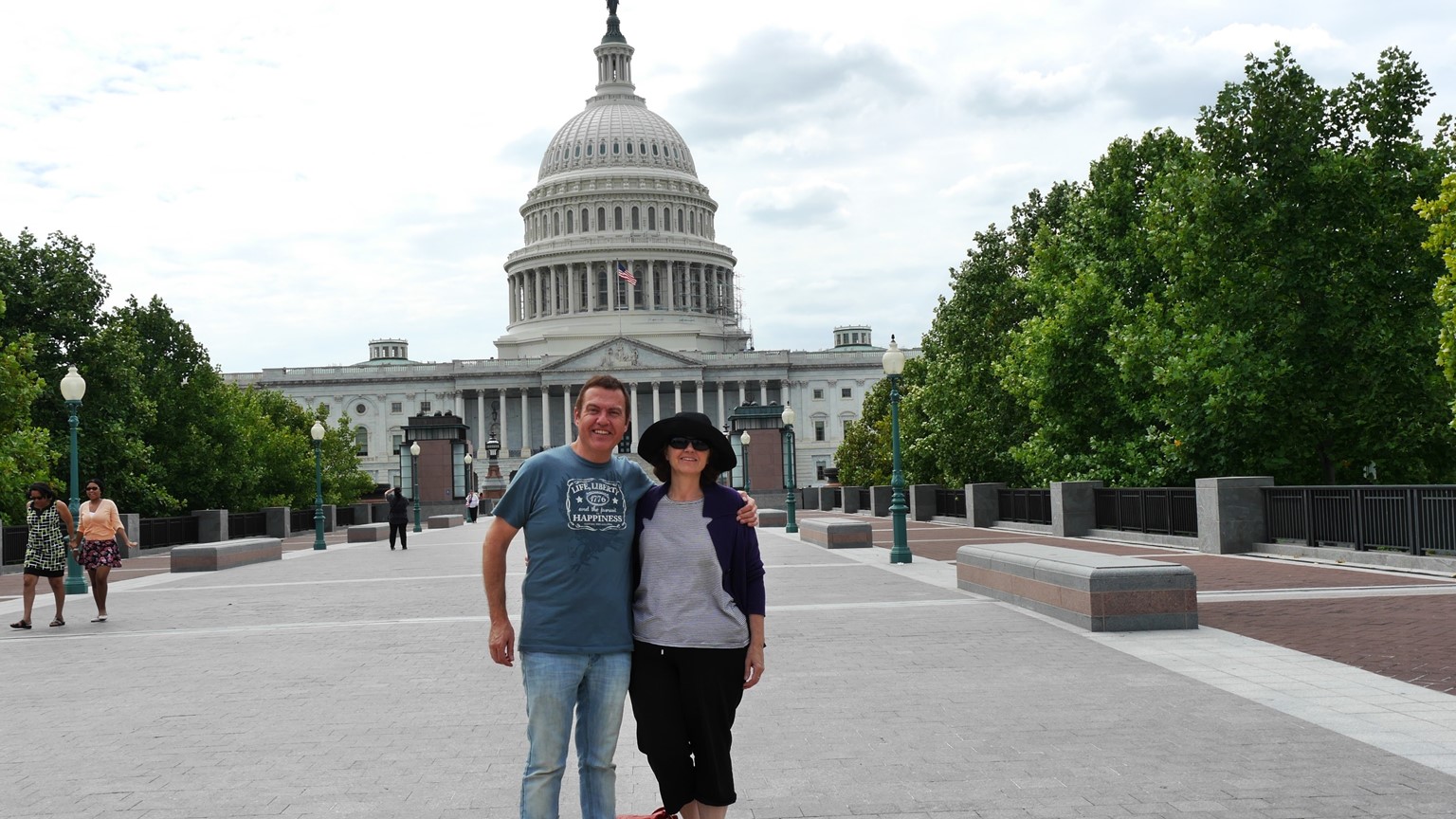
Two dills on Capital Hill
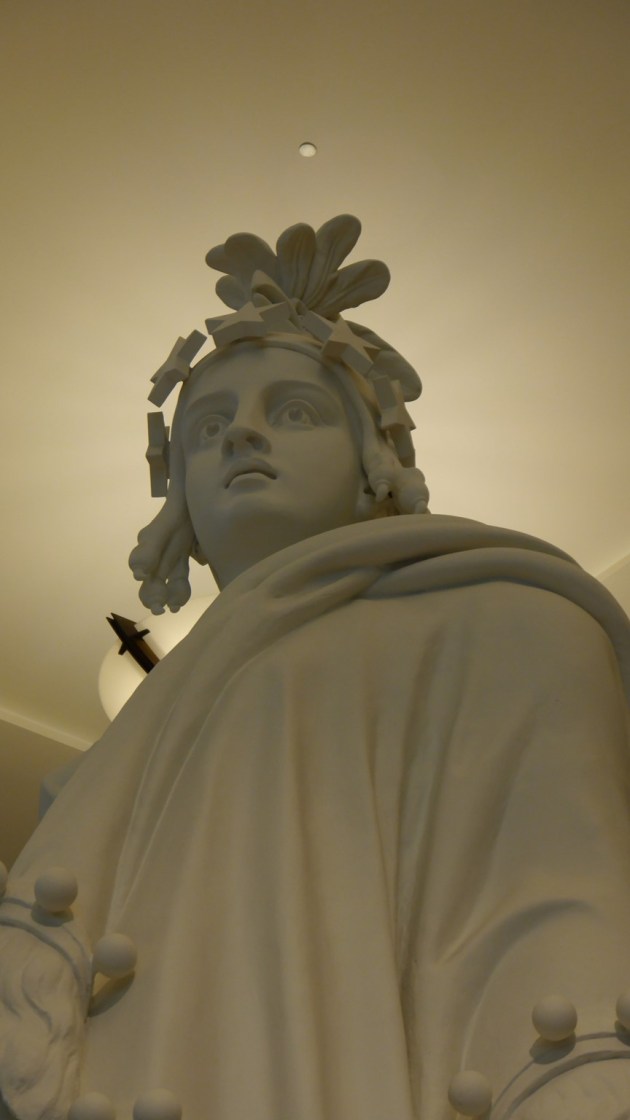
Wide-eyed Liberty in the foyer of the Congress building
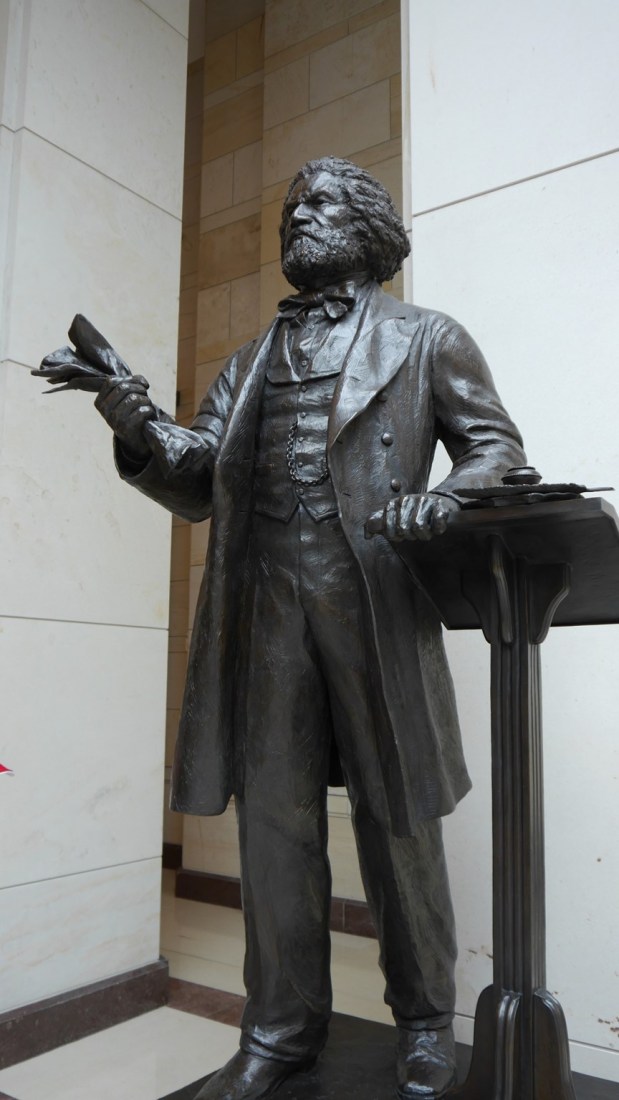
Frederick Douglas, The African-American anti-slavery campaigner
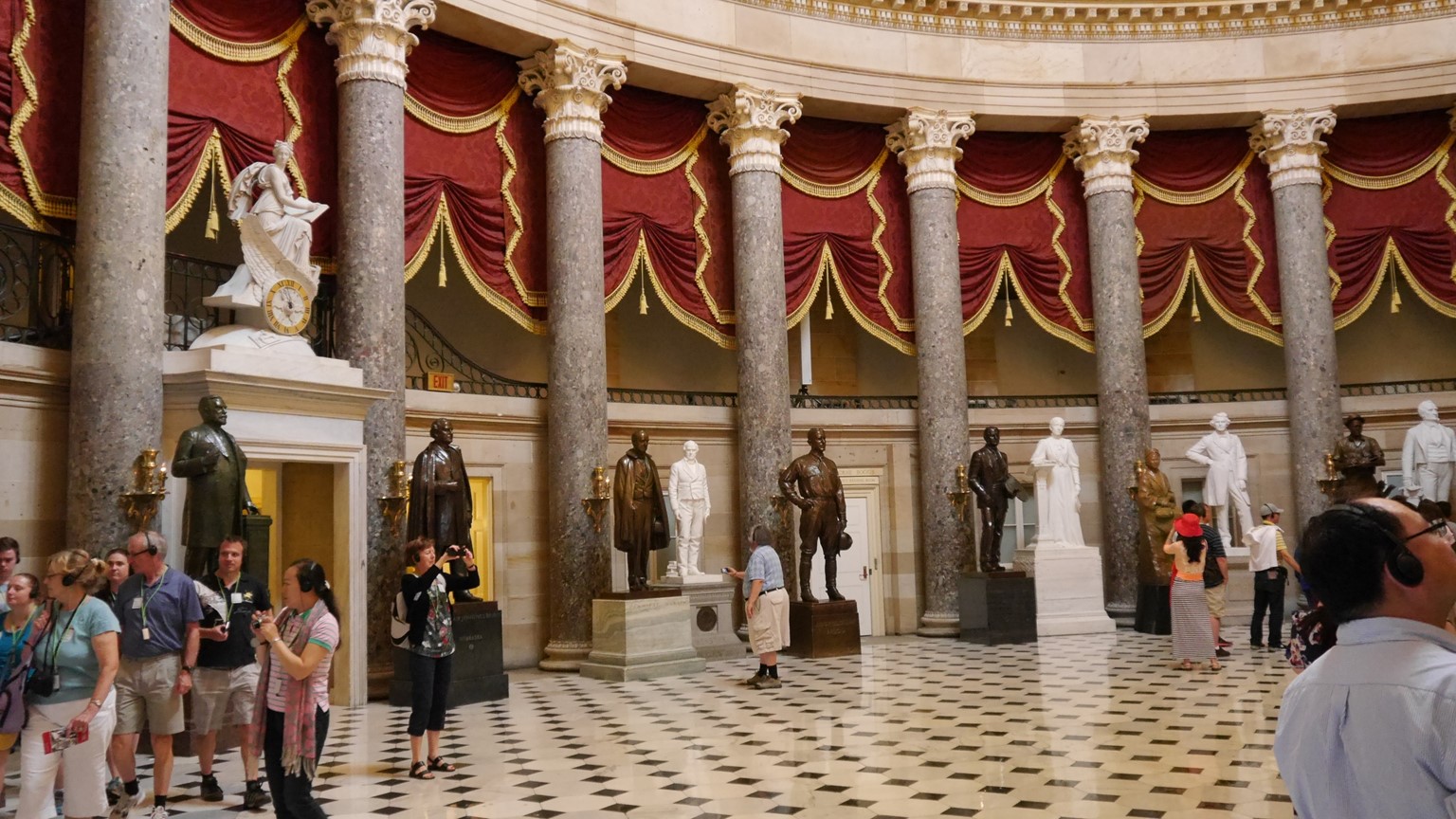
The Capital Rotunda
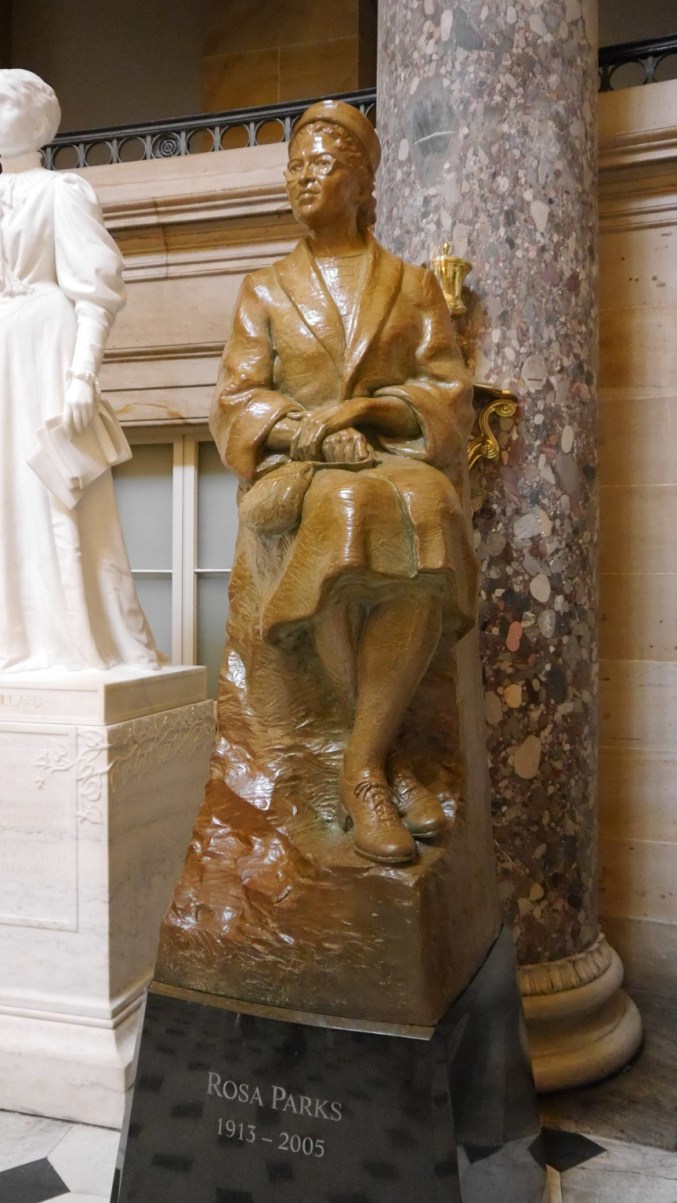
Rosa Parks, whose refusal to get up for a white man on a bus in Alabama sparked the modern Civil Rights movement.
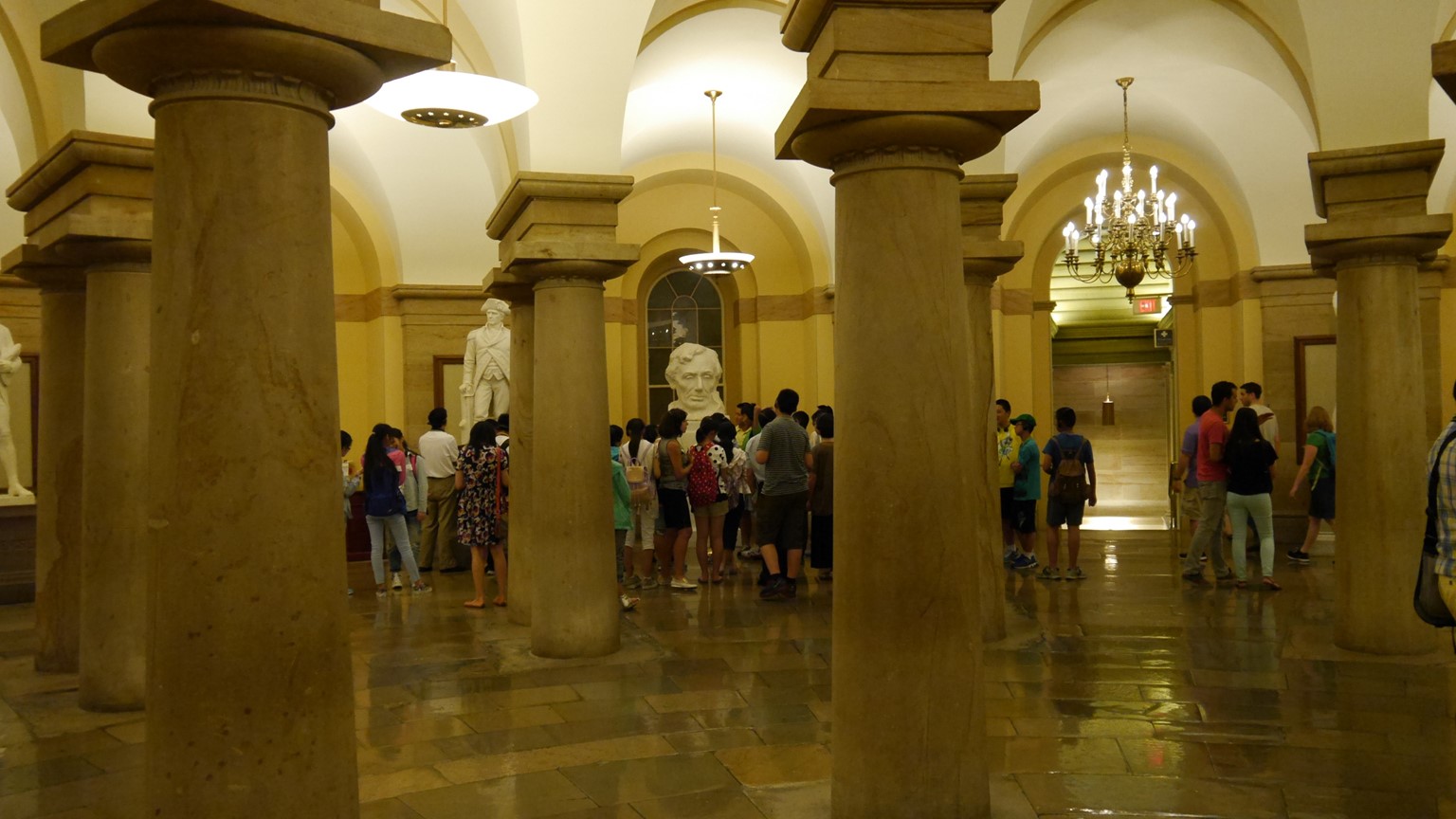
The Capitol Crypt where George Washington is buried

Norman Borlaug
The Statue of Norman Borlaug at the US Capital. One of the few non-politician statutes in the Capitol building. I had never heard of him but apparently he is unique in winning the top Government honour in over twelve countries around the world as well as the Nobel Peace Prize. He is known as the “man who saved a billion lives” and is possibly the greatest unknown hero in modern history. What did he do? Well, he was a humble US farmer who decided to devote his life to solving world hunger. And he succeeded to a large degree. Borlaug started his quest crossbreeding strains of wheat to see if he could create a high-yield and disease-resistant crop. After a few years of experimenting he created a crop that he was happy with and trialed it in Mexico in the late 1940’s. It was a great success and improved the health of the communities where it was introduced. Borlaug then took his crop to India where malnutrition was rife. Pakistan was next and soon many other developing nations got onboard. The Borlaug wheat crop was instrumental in dramatically improving the health ratings of those countries within one generation.
Of course today, many would condemn this as genetic modification of food but that would be to ignore the history of agriculture which is all about genetic modification. Many of the modern crops we eat today are the result of centuries of crossbreeding and it was recently estimated by the EU, that over 58% of the world’s soy beans (so favoured by tofu munchers) are genetically-modified. There is hardly a strain of vegetable that has not been cross-bred or genetically modified at some point in the recent or ancient past. Creating better food through modification is not intrinsically wrong. Yes, there are wrongs in locking up intellectual property or in not properly testing modified food but there is nothing inherently wrong in wanting to make food better and healthier through science. Even the devils of GM food like Monsanto do some good every now and then. This recent article from Wired provides another perspective.
The White House
Although we were ticked-off that we couldn’t get a tour (after months of almost getting there), it was still amazing to be right out the front of one of the world’s most famous buildings.
It was officially known as the The President’s House but, in a healthy bit of disrespect, Washington residents nicknamed it the White House because of its distinctive lime-based whitewash. Of course, it took a manly, no-nonsense leader like Teddy Roosevelt to stop pussy-footing around things and call a spade a spade. So, in 1902 he declared that the President’s House, where he was living at the time, would now be called The White House.
What I didn’t realise is how close the White House is to the road. It sits in a regular street with other buildings and across the road from a park. Literally, two doors down from the White House, there was a game of rollerskate hockey taking place.
Out front of the White House, tourists snapped photos, buskers performed, a man sold hot dogs, protesters held banners and someone was trying to sell us some weird religion. It was quite odd but, once again, it left me with admiration about how democratic and diverse the US can be at times.

A roller-skate hockey game only two doors down from the White House

An Aussie Treasury employee visits her Yankee cousins

The grand Treasury building with a statue of its longest-serving Secretary, Albert Gallatin
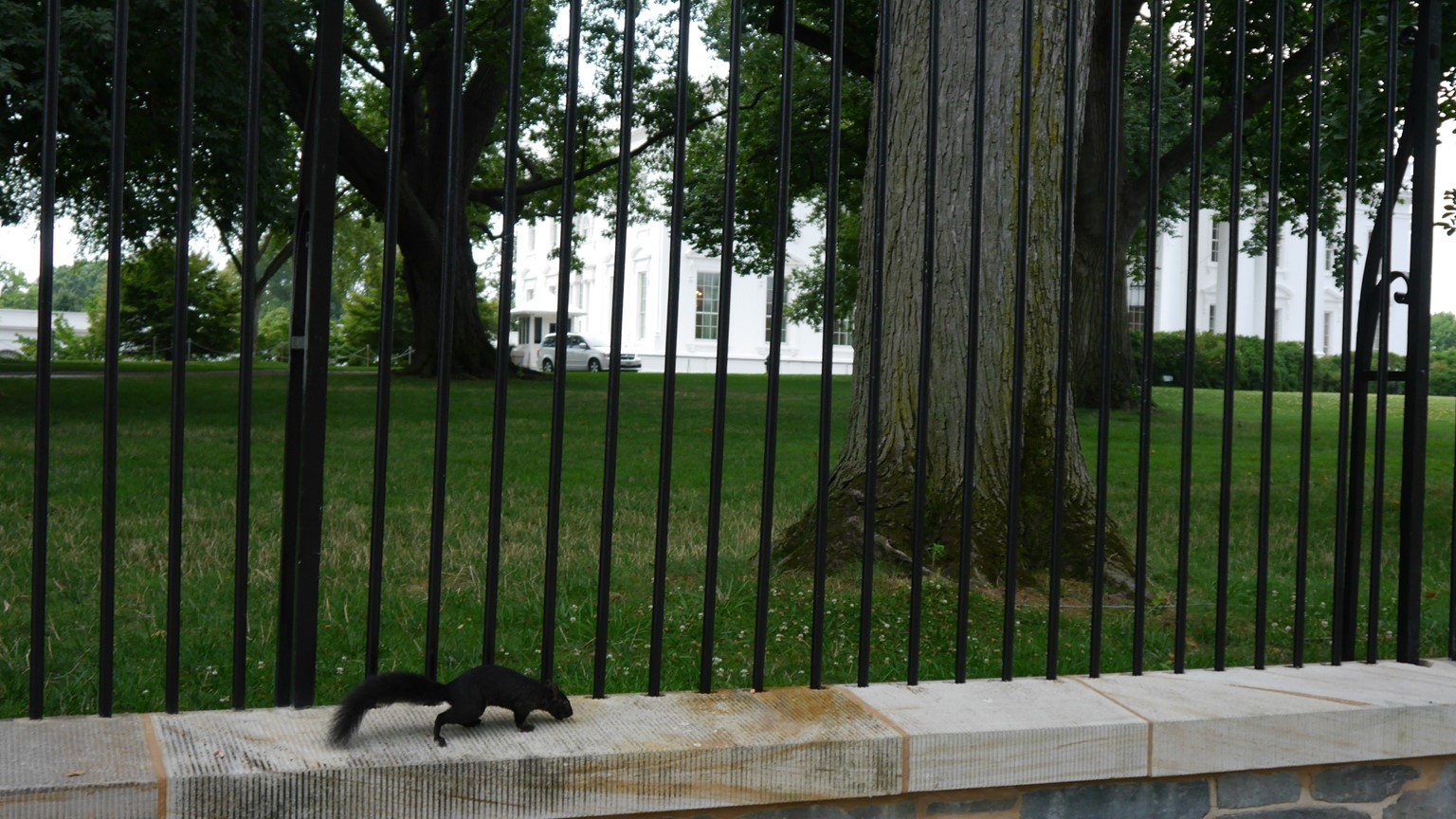
A secret squirrel in front of the White House

Barbarians at the gates
The Library of Congress
Next door to the Capital building is the amazing Library of Congress. It is the world’s biggest library with over 32 million books and over 60 million manuscripts. I don’t think I appreciated how big and how grand it is. The design of the building was done in a faux Renaissance style with the aim of being a “secular Vatican.” This is not a library, this is a temple of books. It was easily, the most impressive building we had seen to date.
The Library of Congress also rewards people for craning their necks up to the ceiling or for looking closely at its various nooks and crannies. Not immediately apparent are all sorts of little quotes or murals representing the ideals of the institution. They range from words to ennoble the spirit to pictures of naked baseball players.


A warped panoramic photo of the Library of Congress building.

A hallway in the Library of Congress. This gives you a sense of the grandeur of the place.
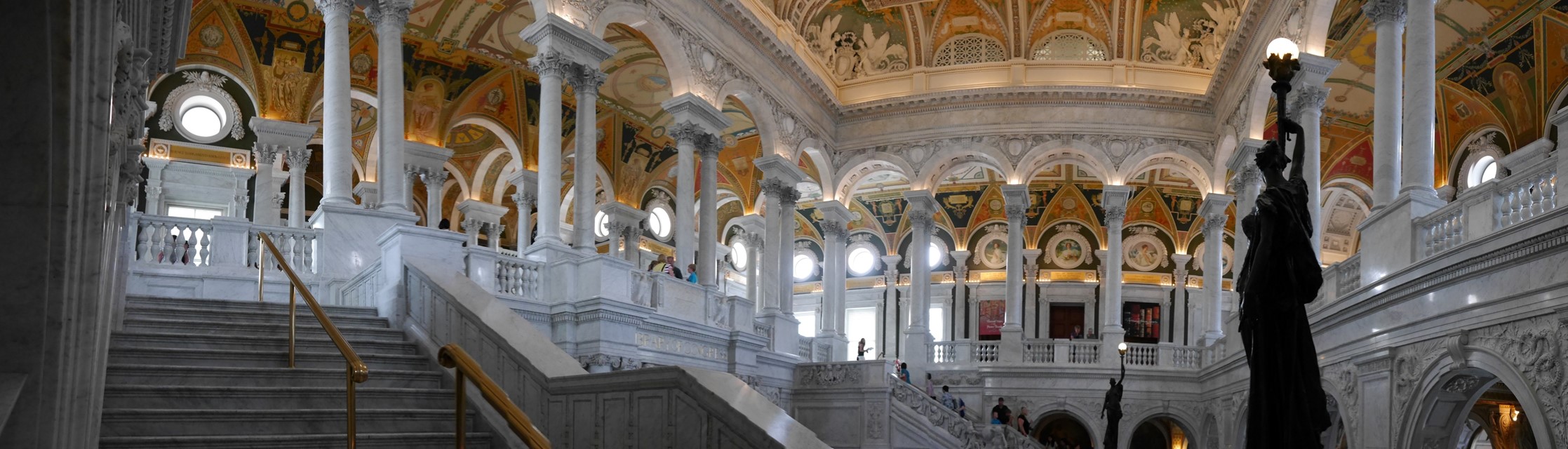
The main hall of the Library of Congress

The Library of Congress Reading Room

A mosaic of Minerva, the Roman goddess of civilization and peace.
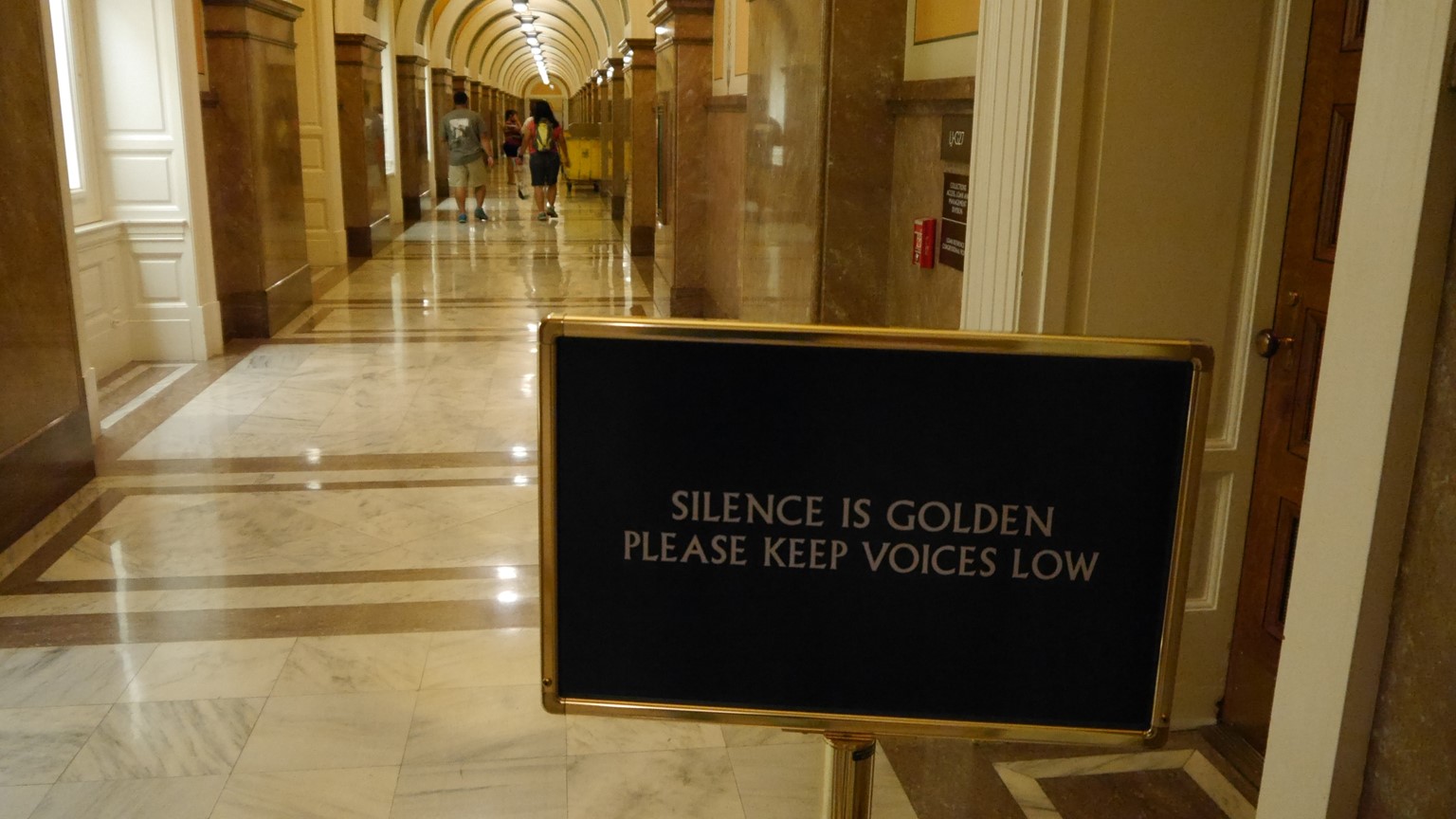
A corridor in the Library of Congress
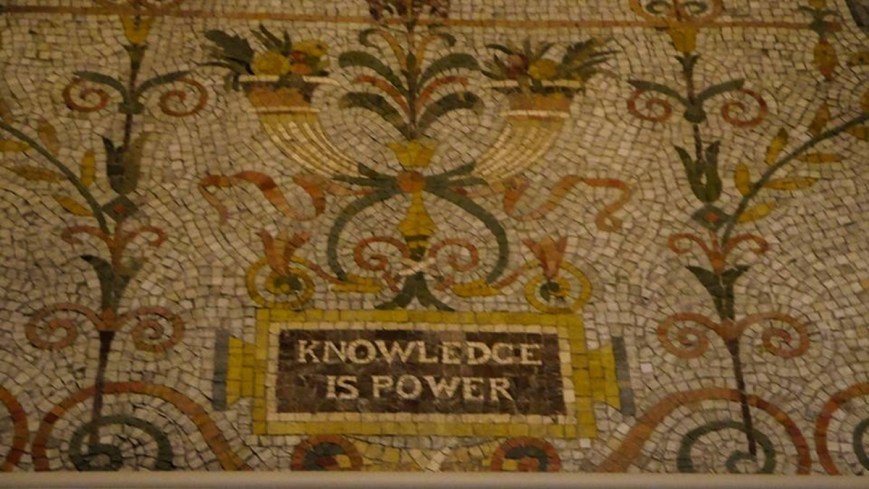
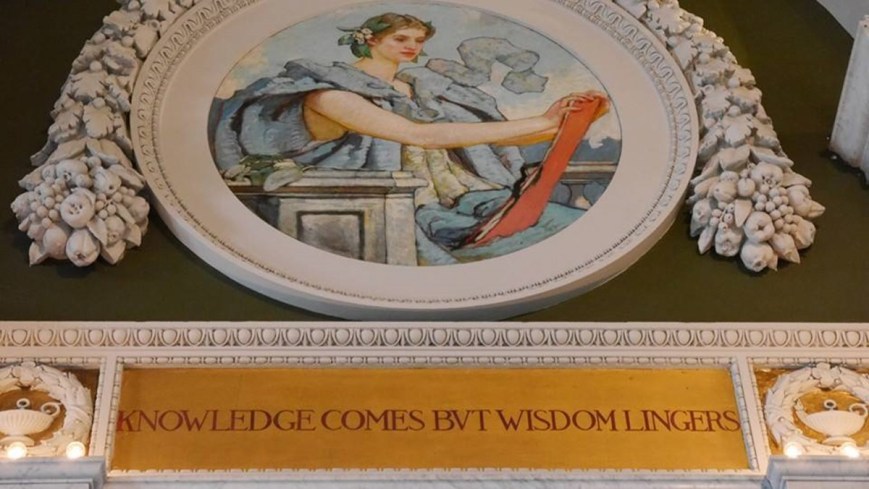







Shekinah is a Jewish word meaning “the presence of God”.

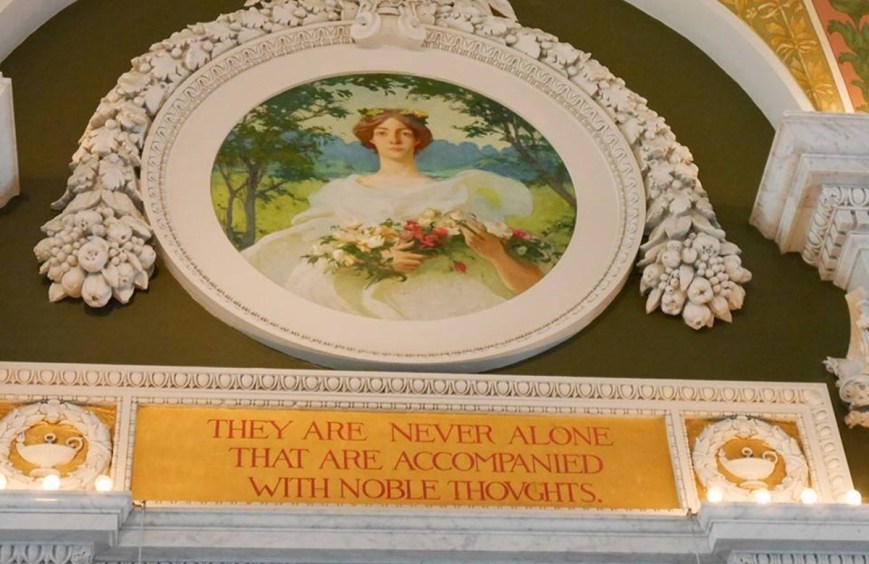
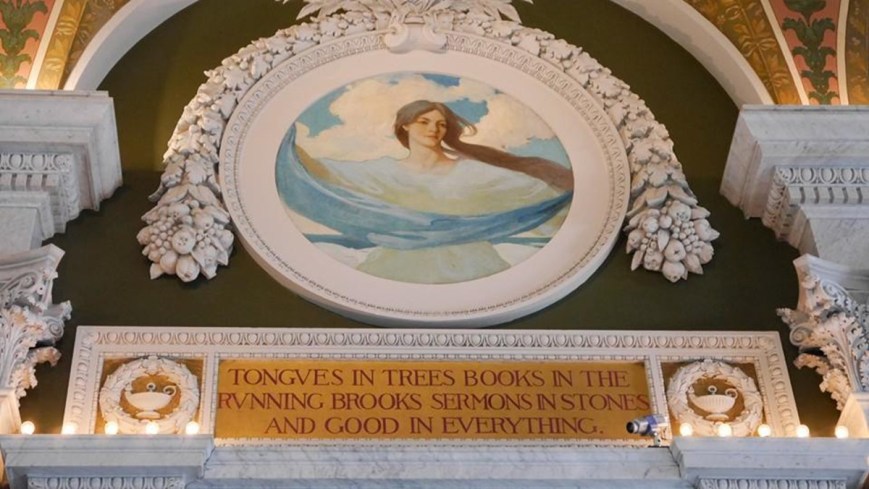


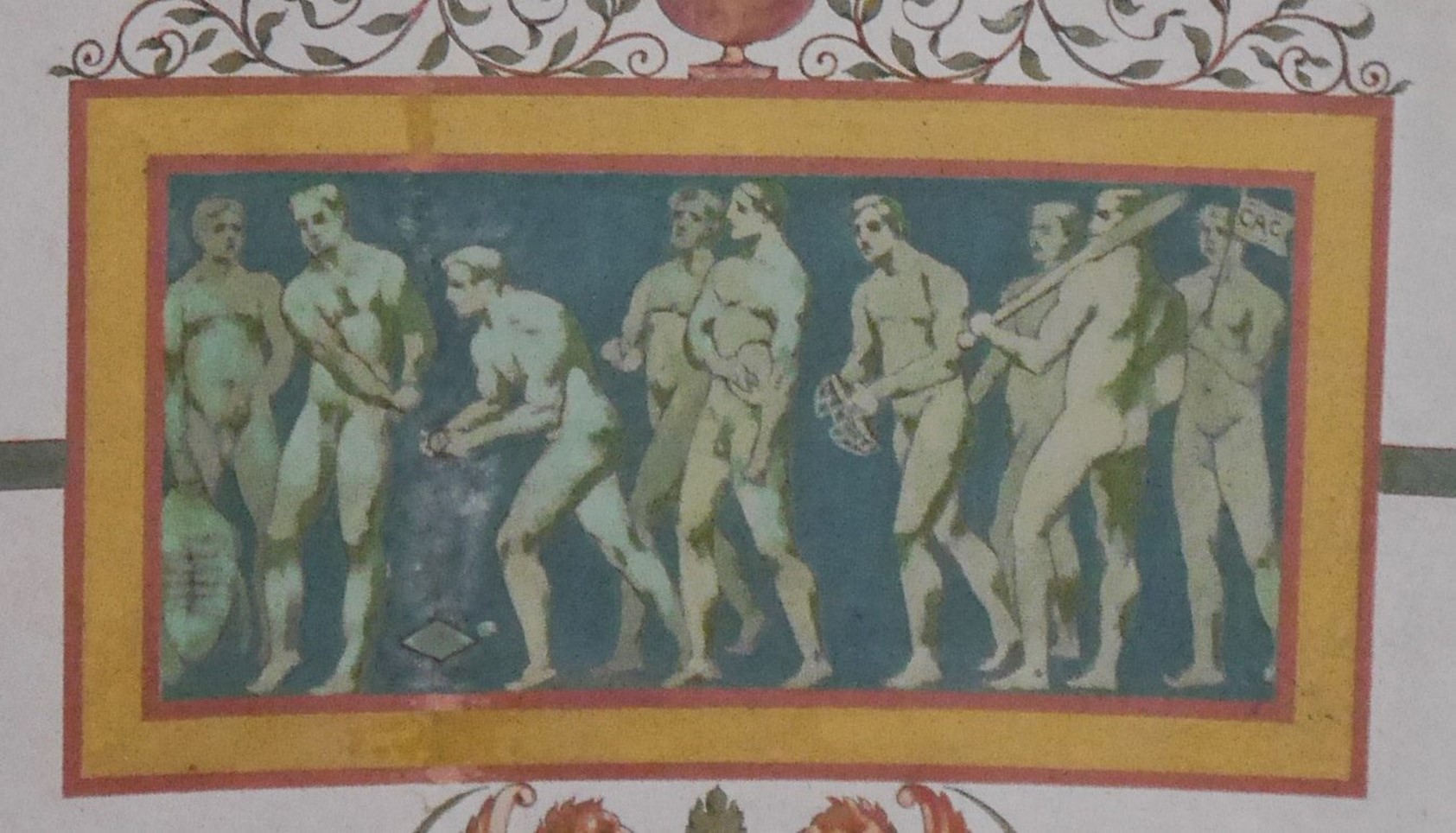
The designers of the Library of Congress wanted to honour all aspects of national endeavour in a neoclassical style. So when it came to sport, they picked the two most popular sports in America at the time, baseball and football, and depicted them as the ancient Greeks may have depicted such sports.

Jocks without straps.
The Streets of Washington
So much of Washington reminded us of Canberra. Lots of empty concrete spaces next to lots of spacious gardens. A mixture of gray and green. An imposed city rather than an organic city. Here are some of the highlights out and about on the streets of Washington.

As you can see from the signal, it worked.

An amazing metal tree sculpture in a park
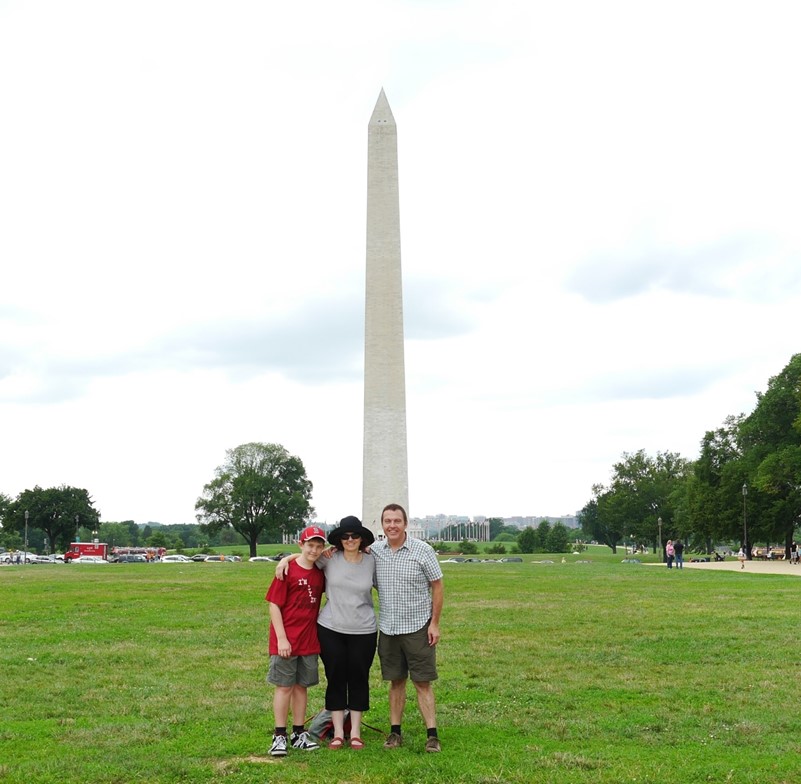
The Washington Monument obelisk.
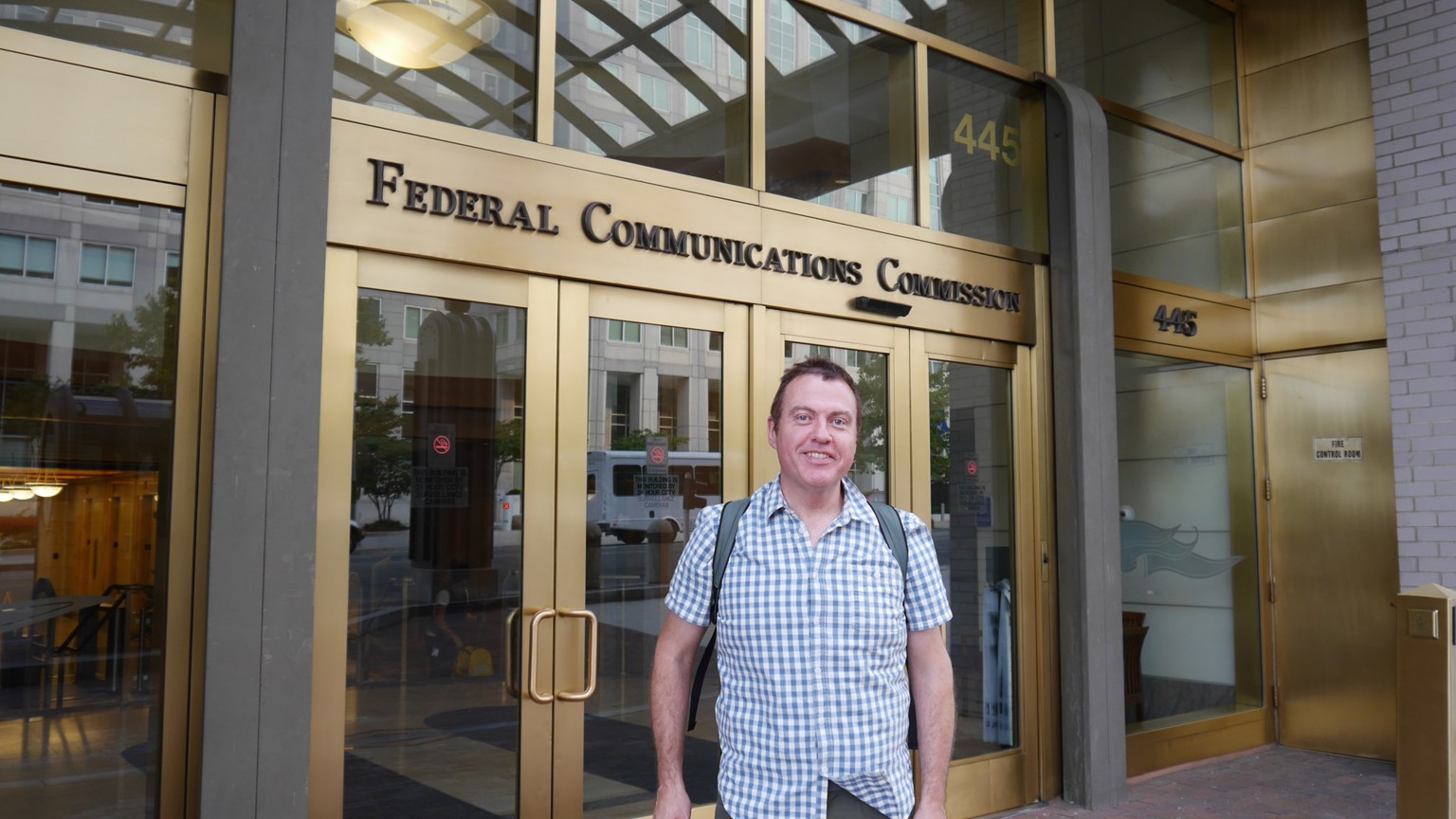
As a former Department of Communication’s employee, I had to check out the US equivalent. I was tempted to sing Eric Idle’s FCC Song but thought better of it.
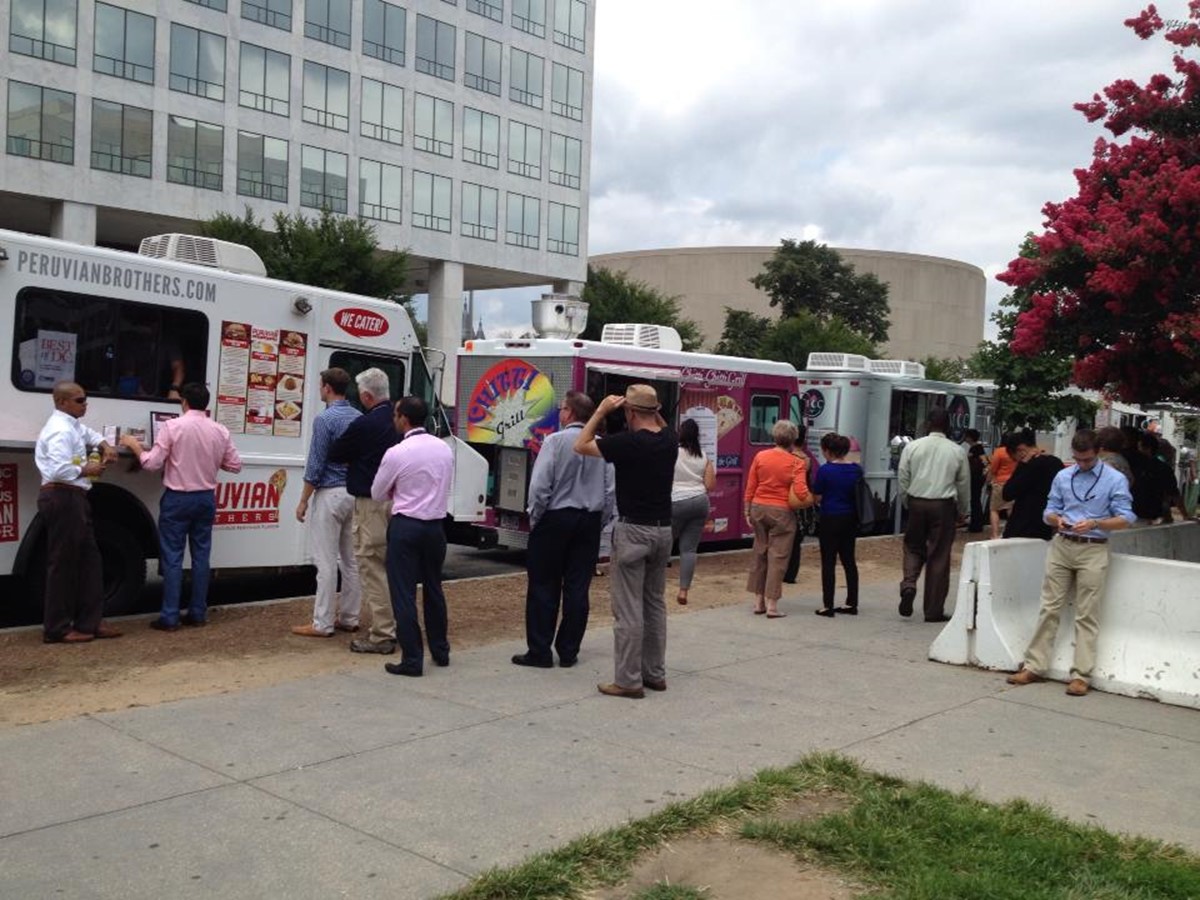
A good example of entrepreneurship in the US – food vans parked near the public service buildings during the lunch hour rush. I’ve always thought there was a market for this sort of thing in Canberra’s Parliamentary triangle!
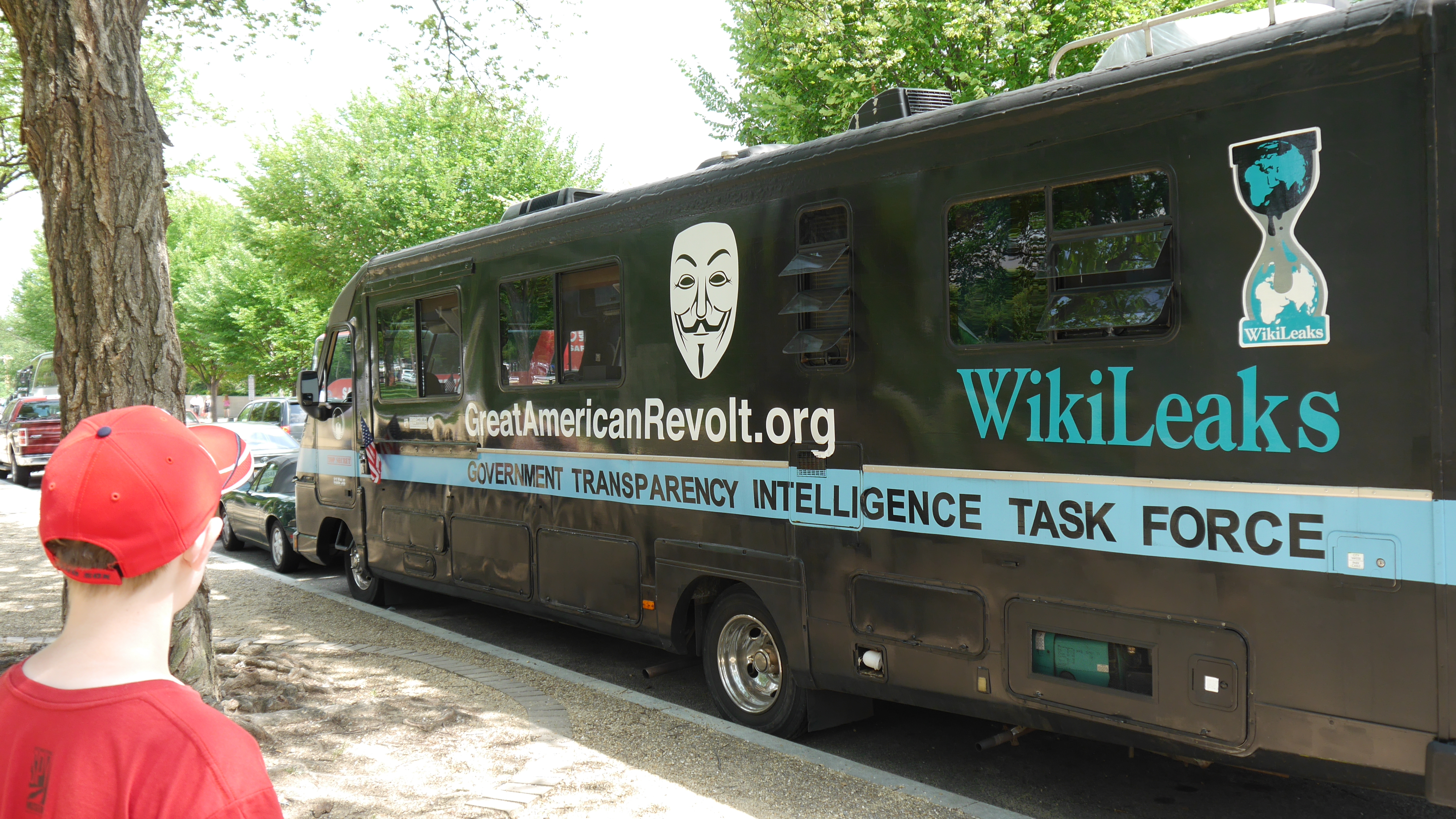
We also spotted this van.

We went to see Shear Madness at the John F Kennedy Center for the Performing Arts. It has been running continuously since 1987 and is a comedy whodunit that changes the murderer each performance based on audience interaction.
The Watergate Plaza
We visited the Watergate Plaza and looked around for spooks. This is where Tricky Dicky Nixon’s “Plumbers” broke in to the Democrat Headquarters to see what secrets they could find. The break-in and the subsequent cover-up was the subject of a Washington Post investigation which eventually led to the resignation of Nixon. All subsequent political scandals adopted the appellation ”gate” in reference to Watergate. Watch All the President’s Men for the dramatized account but watch Dick for the real story.
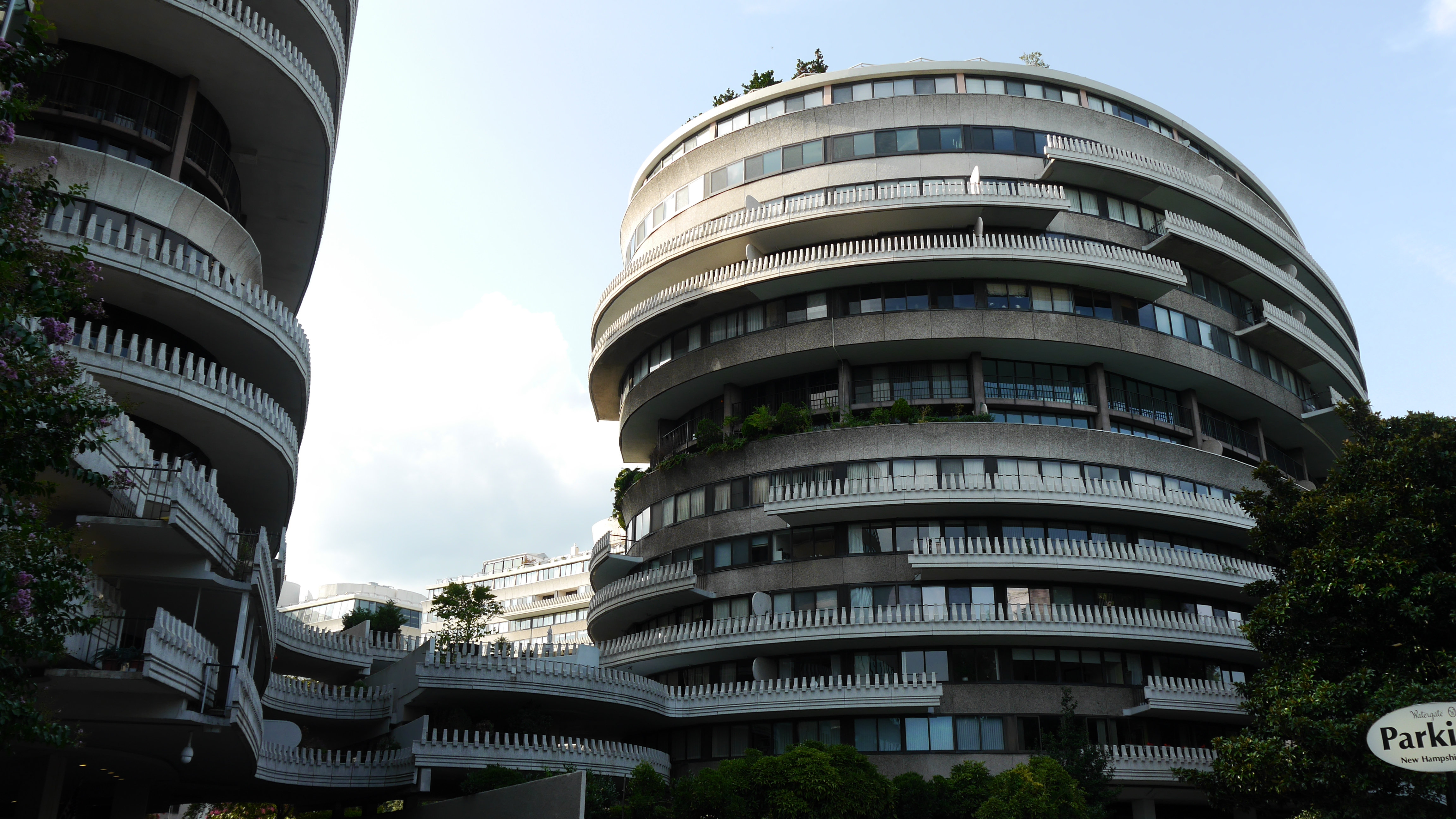
The Watergate Plaza
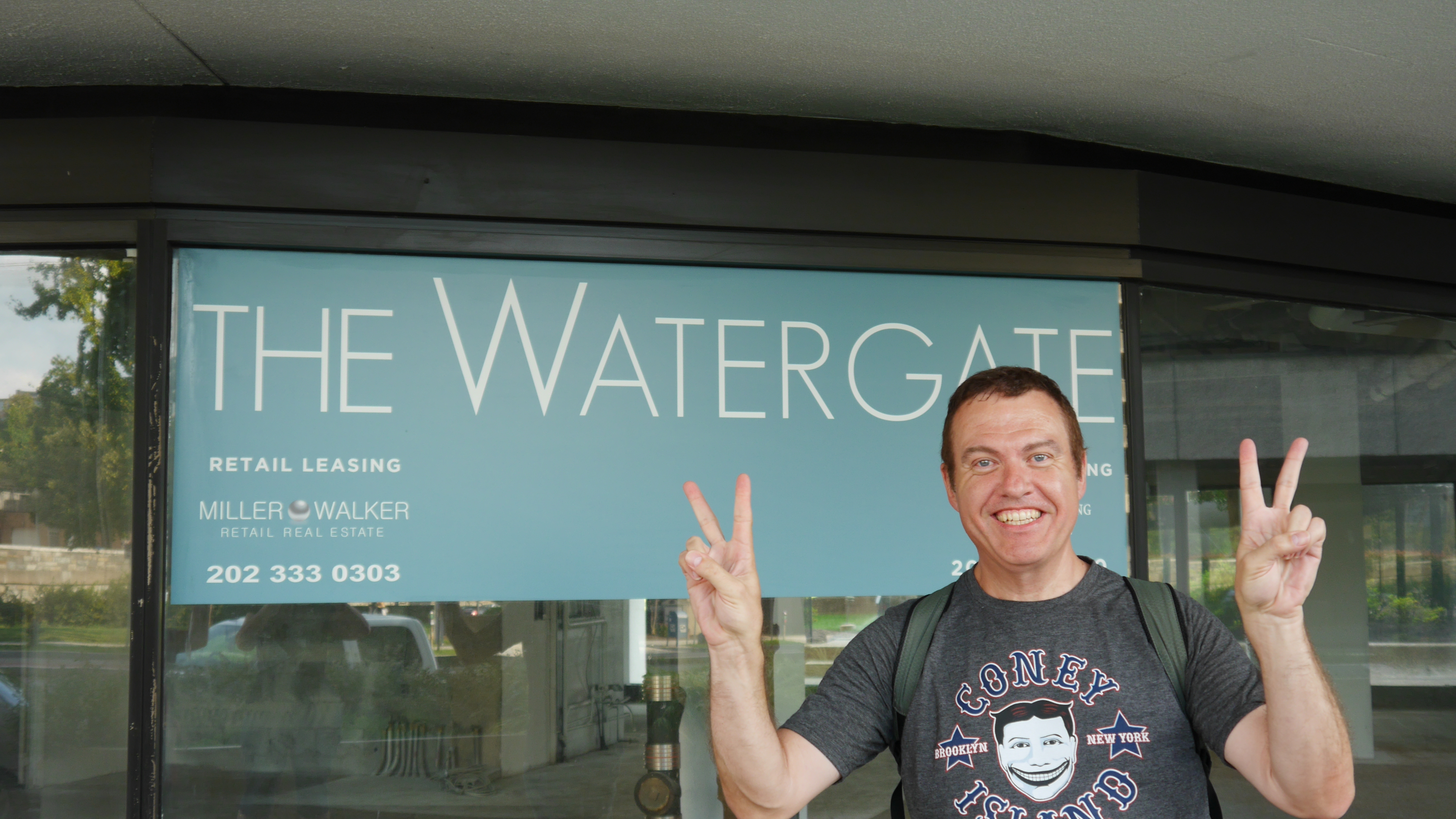
I am not a crook
Washington Monuments
Again, we felt like we were back in Canberra when on a balmy summer evening, we hired bikes and rode around the Potomac river to see the various Washington monuments. We ate crab cakes and hushpuppies (fried cornmeal) at a Chesapeake Bay fish market which was bustling with people and live crabs.

The Canberra foreshore or the Washington foreshore?

The Thomas Jefferson monument
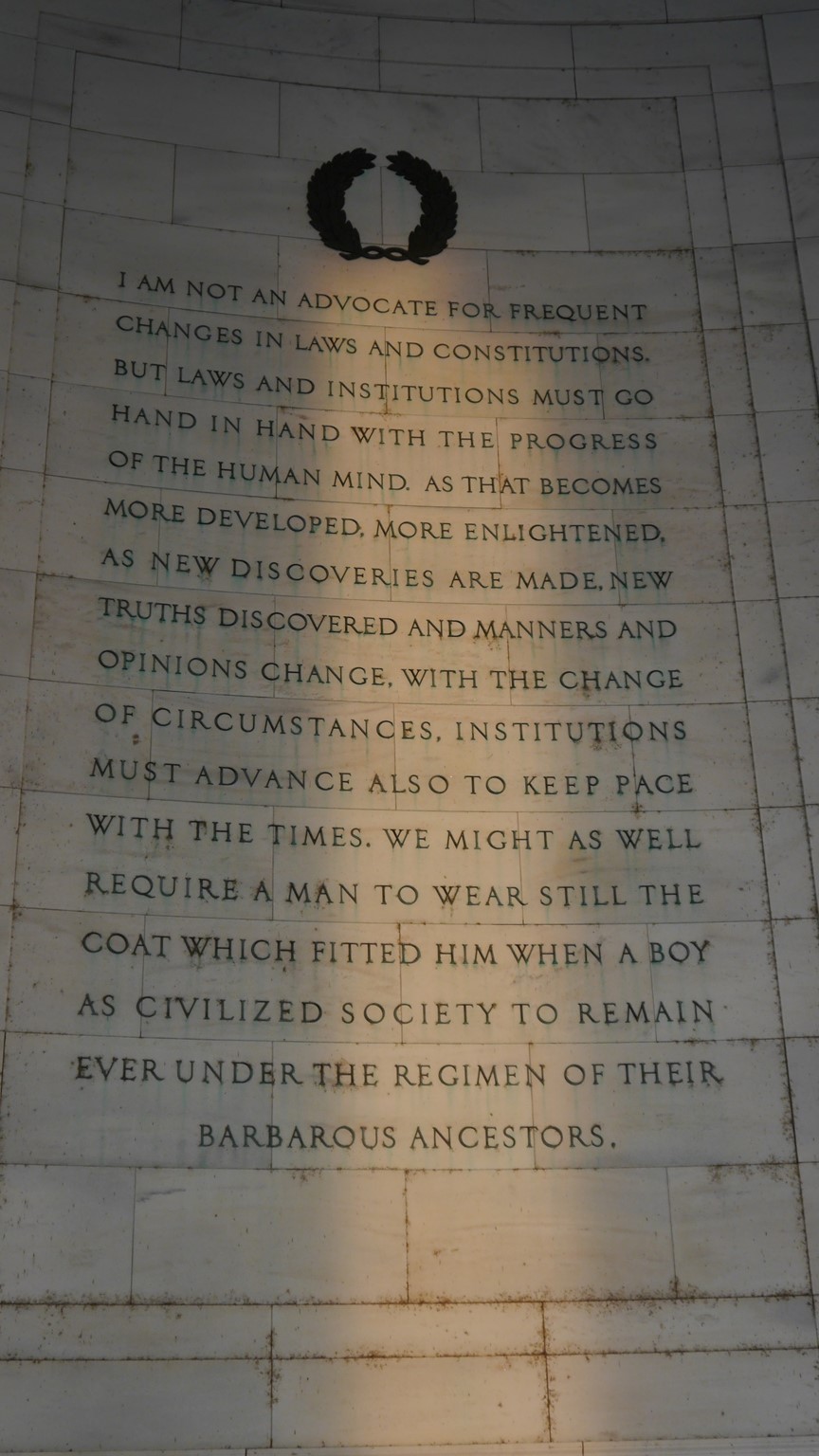
A quote from Thomas Jefferson
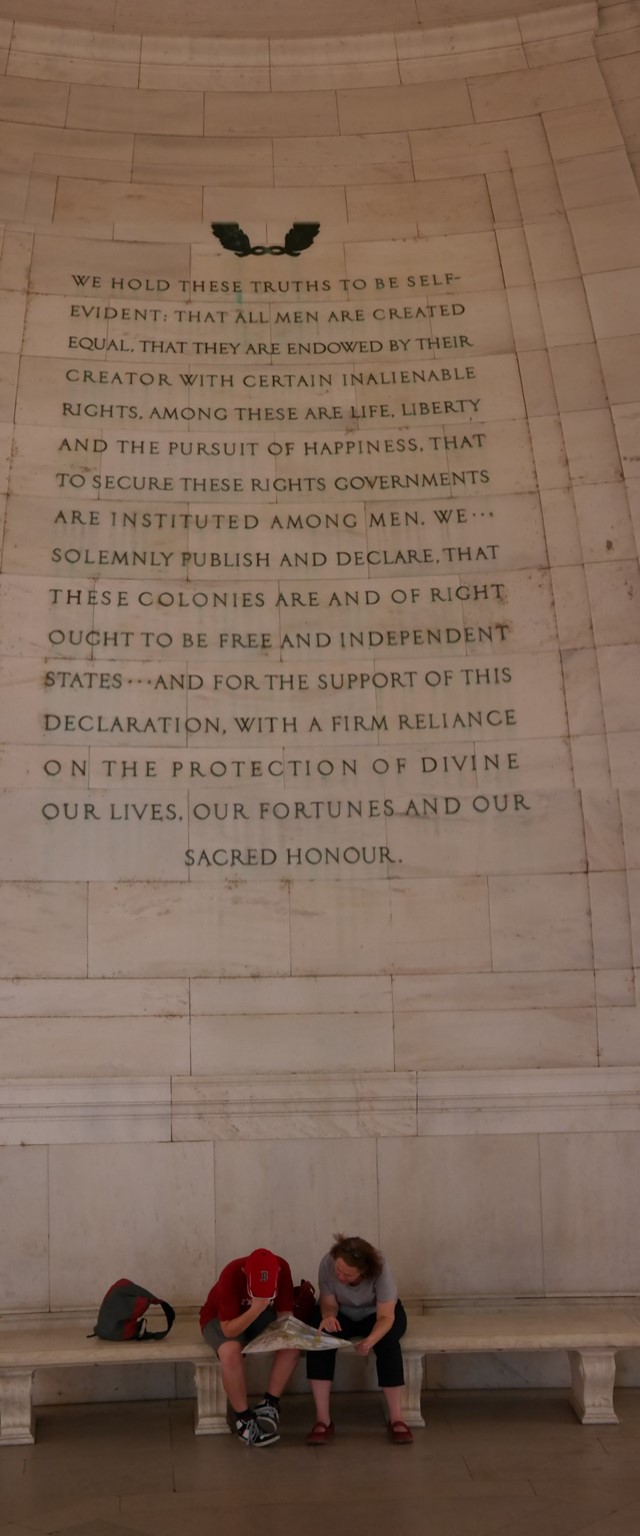
Another quote from Thomas Jefferson. Michelle and Harrie study the bike path map.
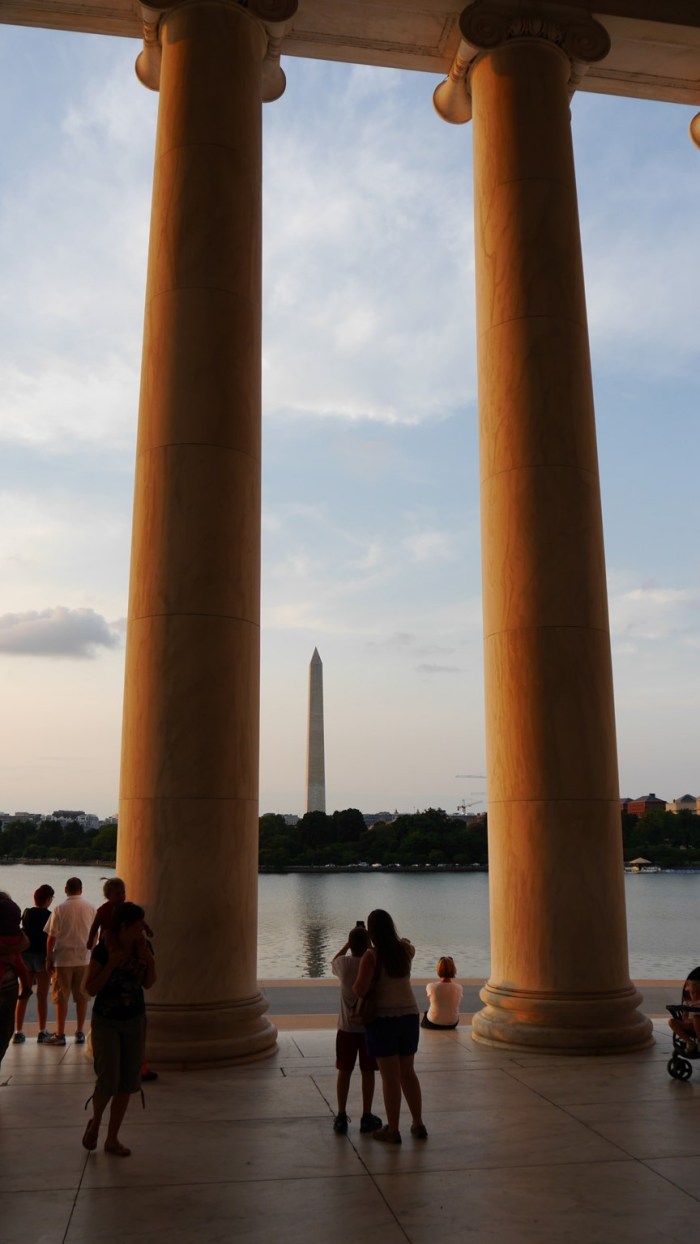
Sunset on the Potomac

Harrie joins the bread line at the Franklin D Roosevelt monument.

The entrance way to the Martin Luther King Jr monument.

The Martin Luther King Jr Monument

A quote from Dr. King.
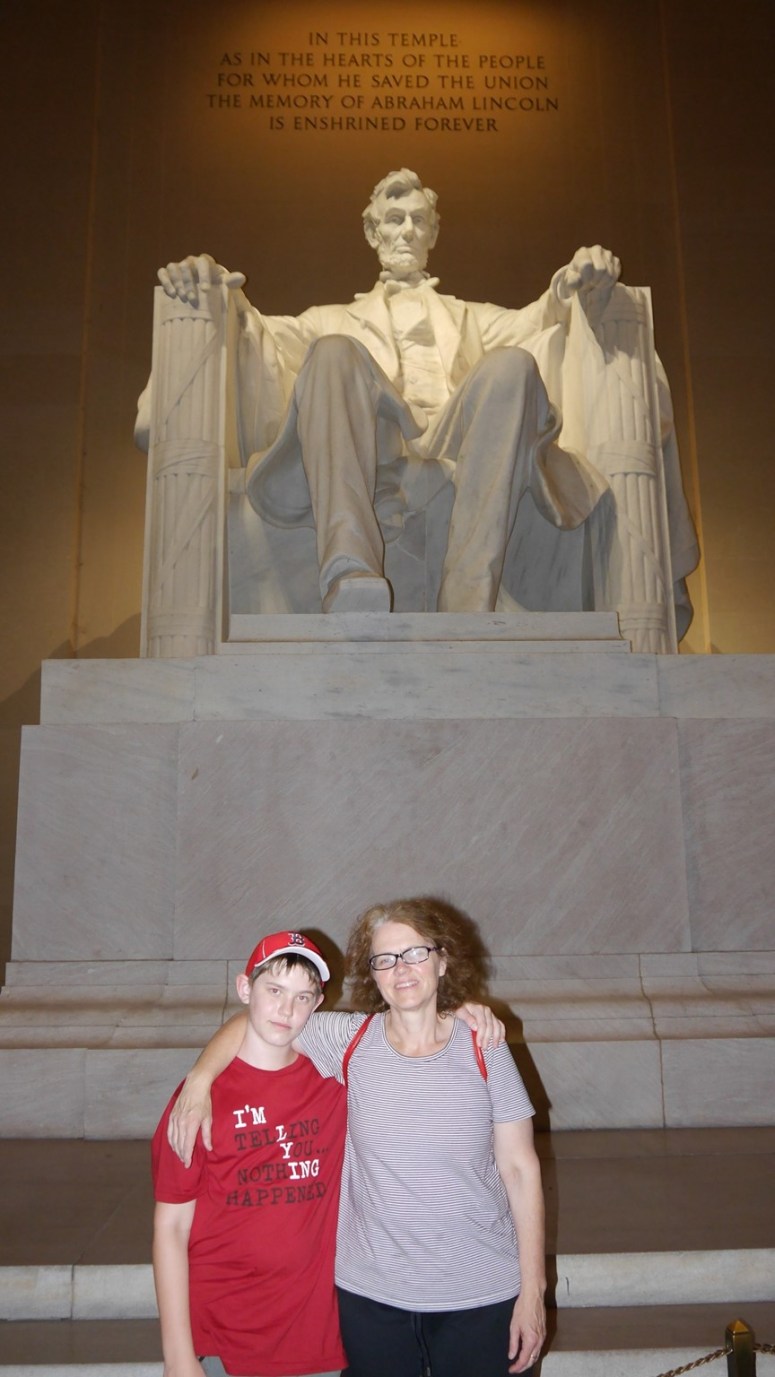
The Lincoln Memorial.


Lincoln’s famous address to the nation at the outset of the Civil War.
The International Spy Museum
Harrie and I went to the International Spy Museum in Washington, while poor Michelle did her job re-application for work. The museum is run by a former CIA agent and is huge. It took us almost four hours to go through and we had to rush a bit towards the end.
On entering the museum you are asked to assume a cover identity and remember details about your fake background. This was then cleverly tested at various checkpoints throughout the museum, when the details of your cover were important to progress through various displays.
The museum covers all aspects of spying from ancient times to present day with lots of cool tech on display and lots of interactive exhibits. You can use a working enigma code machine from World War II or listen in to bugs planted in different parts of the museum. The museum also has several wings devoted to themes such as women spies, James Bond and propaganda.
Harrie and I were enjoying ourselves so much that we decided to also go on a role-playing spy mission that the museum offered involving actors and based on an actual CIA training scenario. It was pretty darn cool going to the fictional country of Kandhar and stop the local insurgents from obtaining a nuclear capability. We had to set up bugs in rooms to eavesdrop, stealthily search offices for key documents, interrogate suspects and work out who was behind a blackmail attempt on a Khandhar Minister. And then when things got hot we had to elude enemies by hiding and disabling security cameras before hightailing it out in an escape van. We were rated 4 out of 5 which Harrie was pretty chuffed with. Now I have shared this information with you, I will have to kill you.
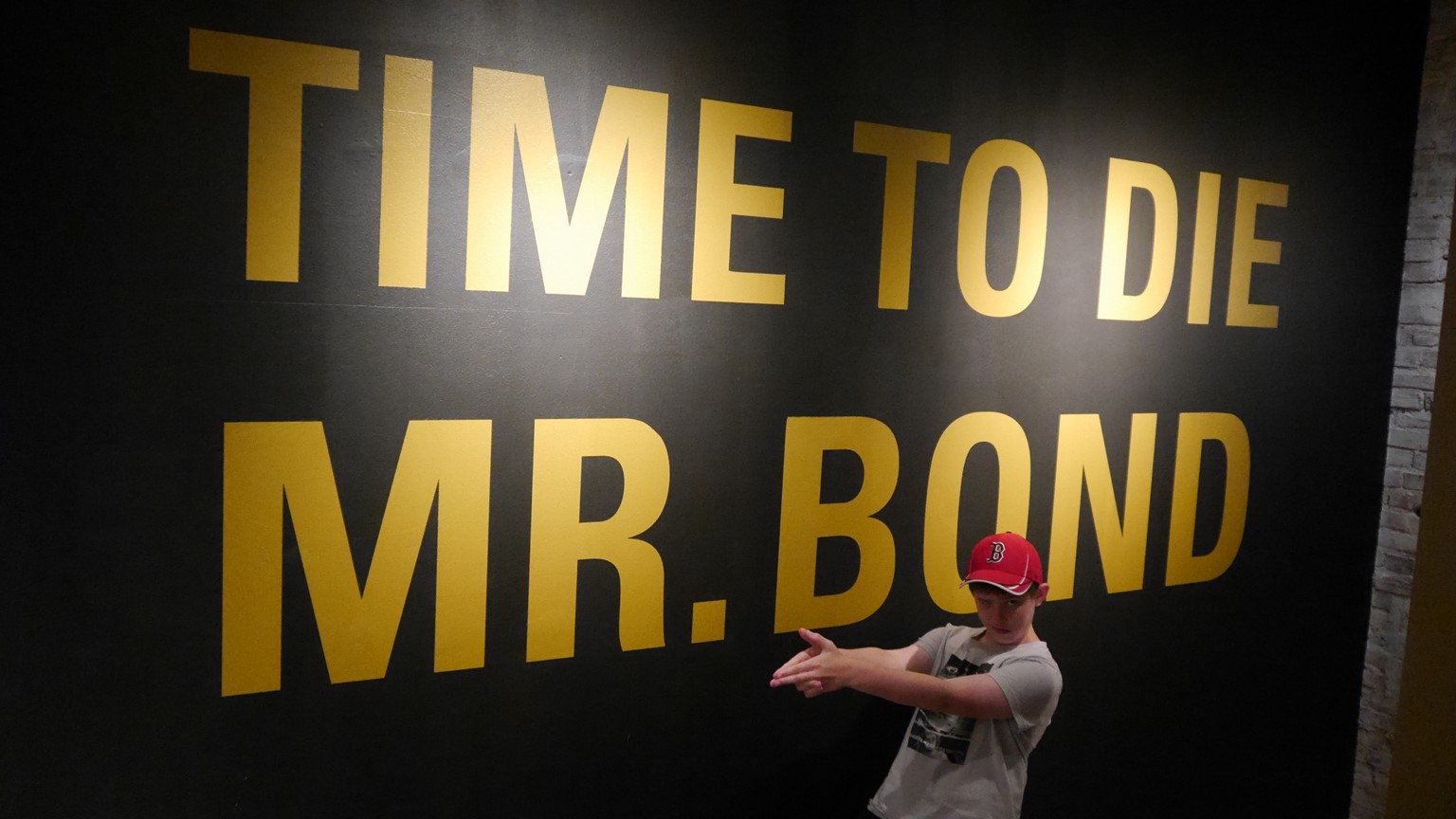
Double O Thirteen.

James Bond’s Aston Martin. I used to have a Corgi toy of this.

A plant (geddit?).
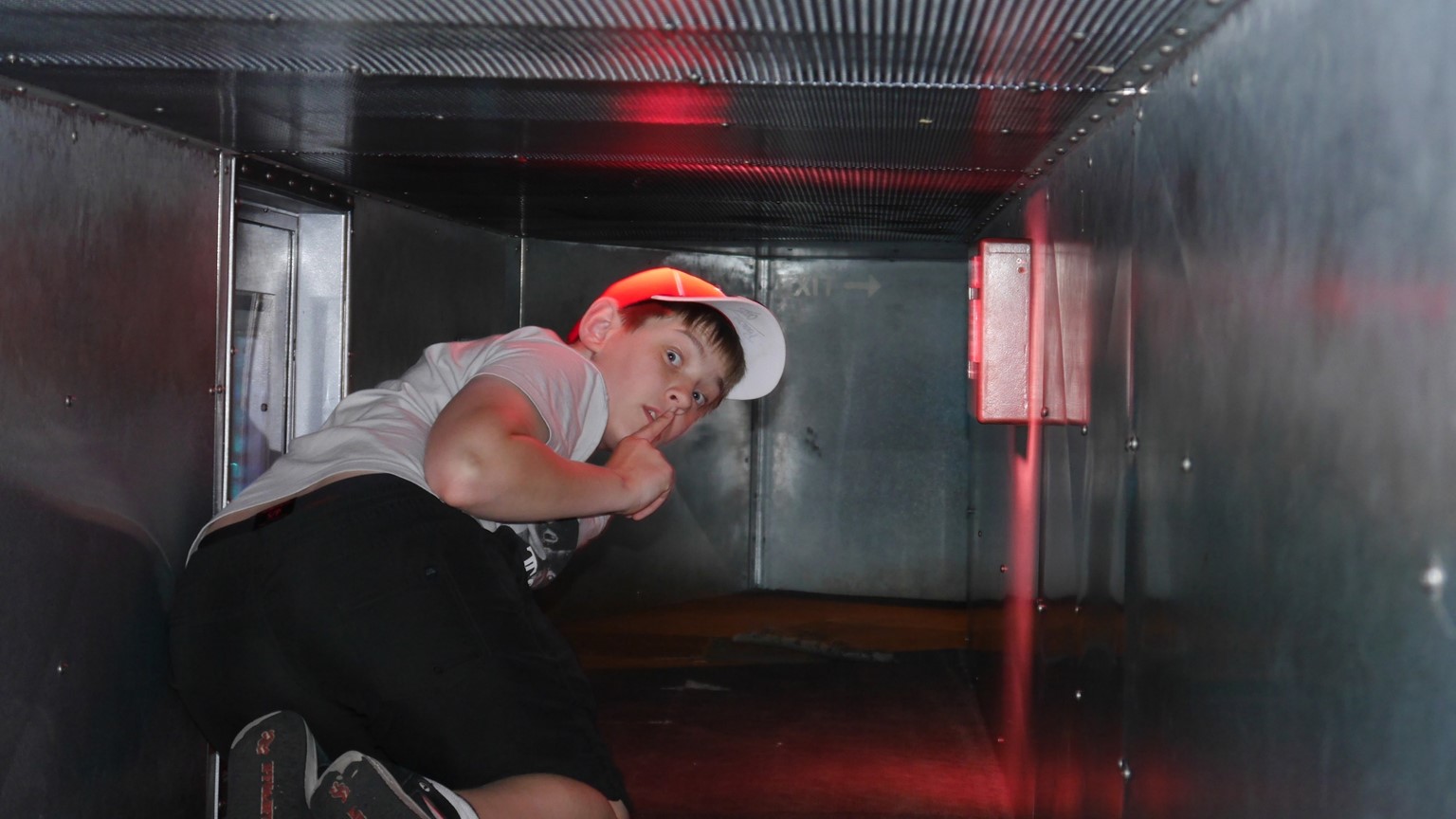
Harrie goes exploring the air-conditioning vents that you could crawl through to spy on people in the museum.

A replica of an actual car that was used to smuggle people over the boarder in East Germany. Four people could be concealed from authorities.

Ouch.
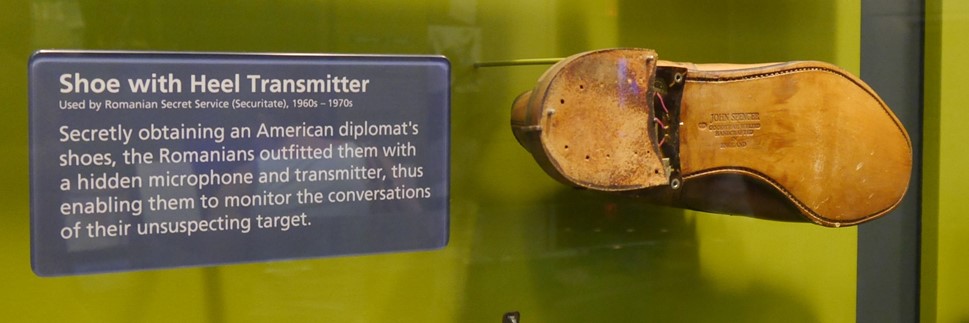
Would you believe a shoe with a transmitter. No Mr Smart, I find that very hard to believe.
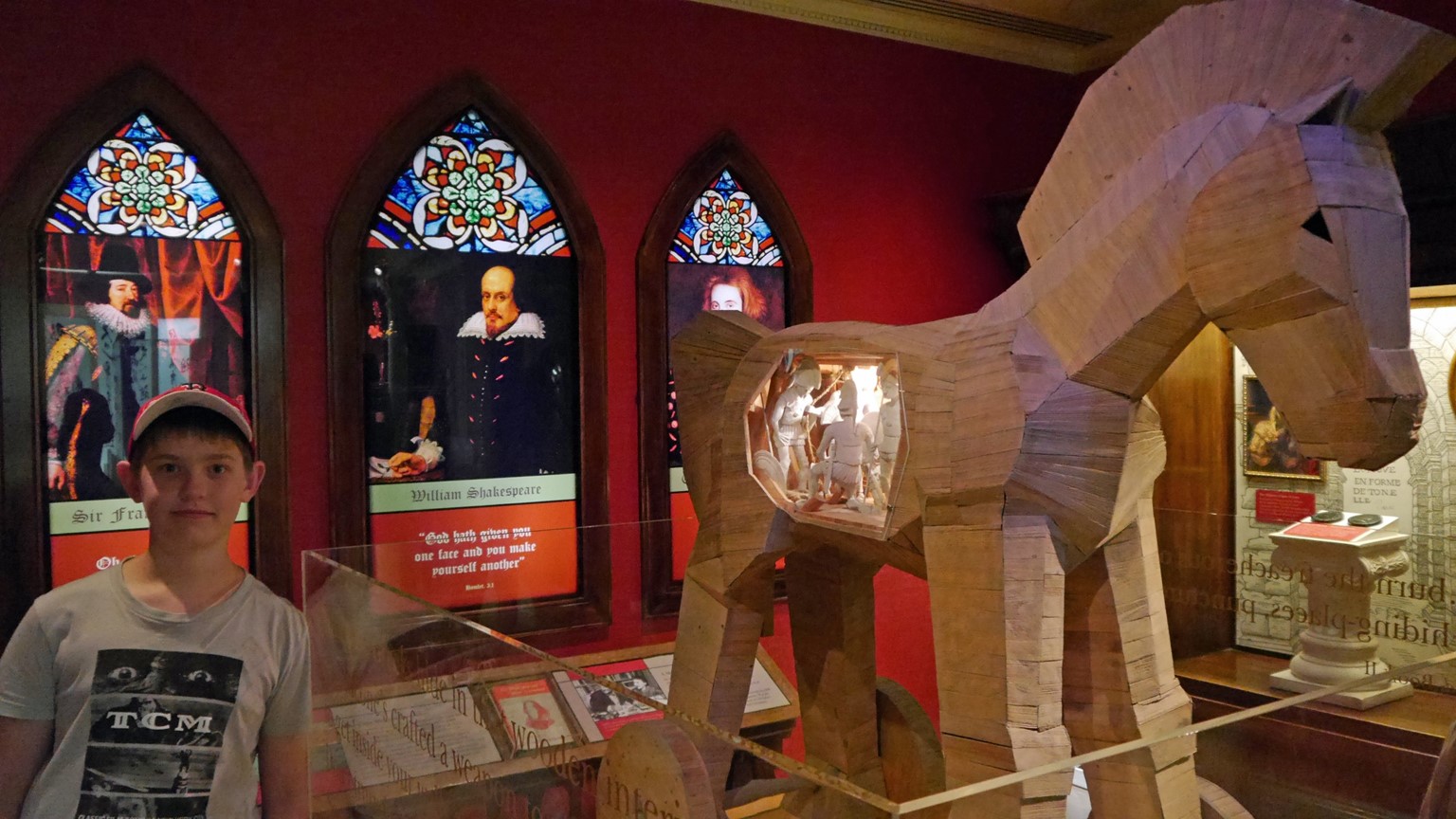
Beware of Greeks bearing gifts.
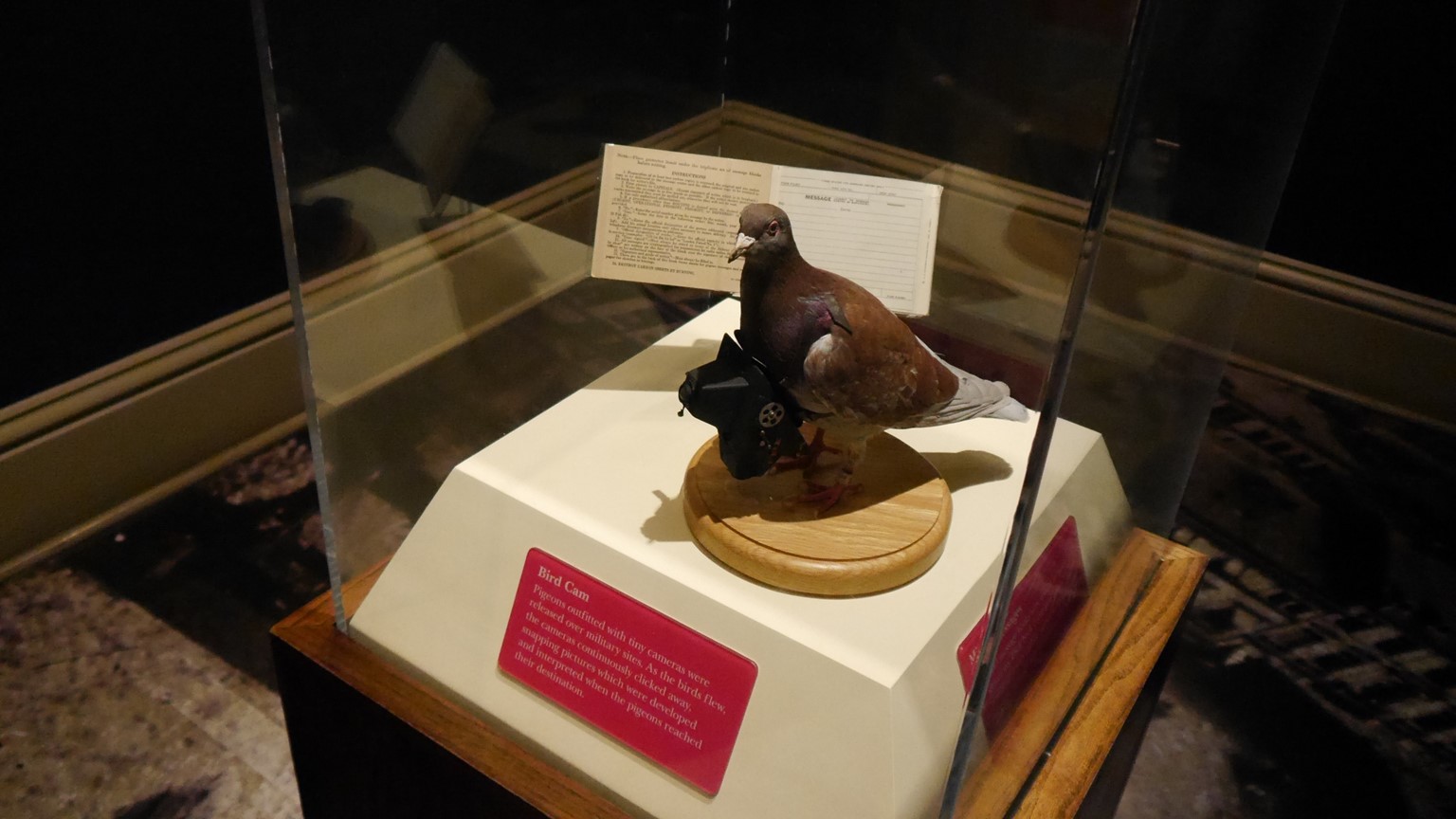
A pigeon fitted with a spy camera that was used like today’s drones to take surveillance footage during the Cold War.
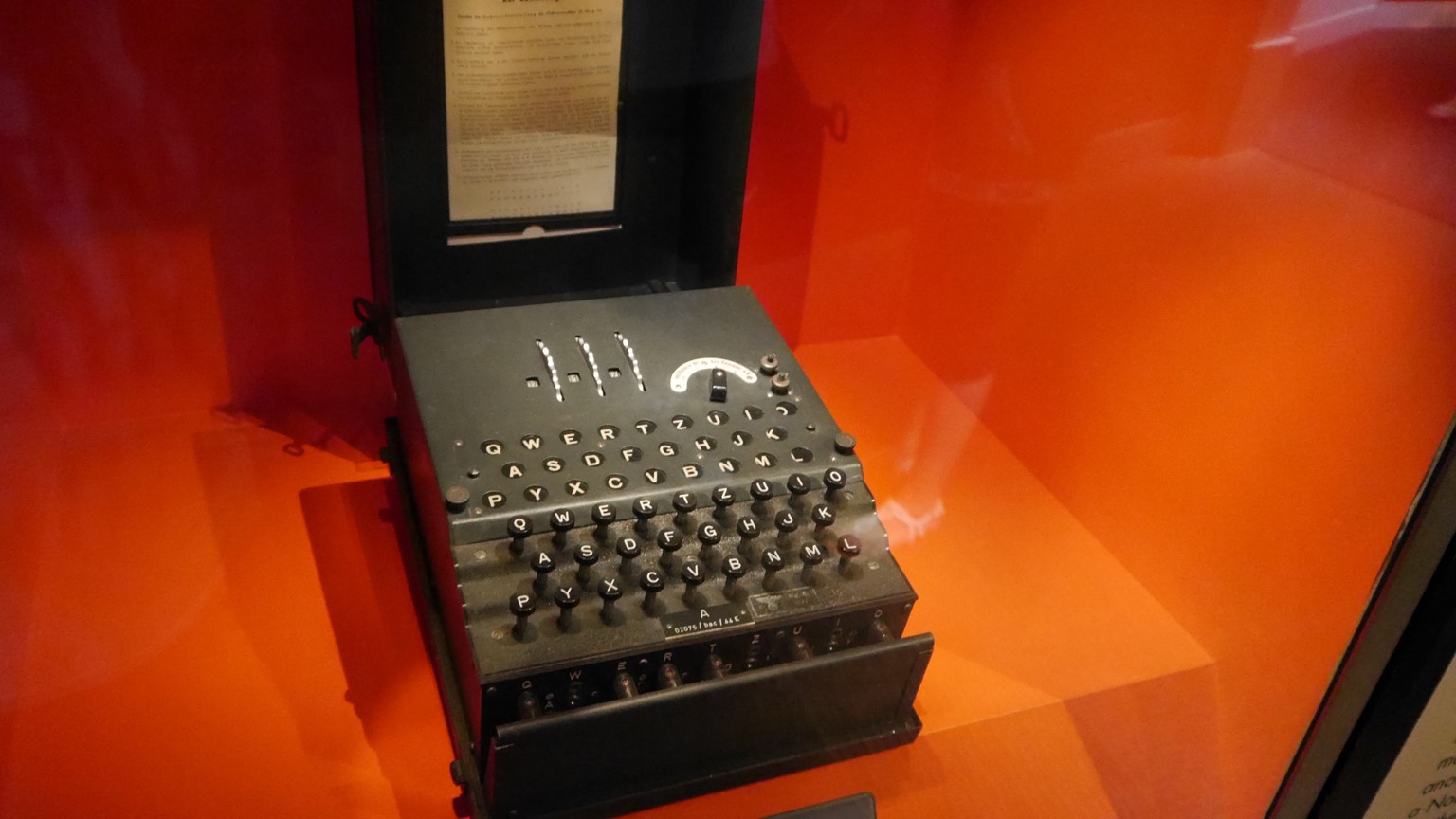
The German Enigma Machine. We also got to play with a working replica.
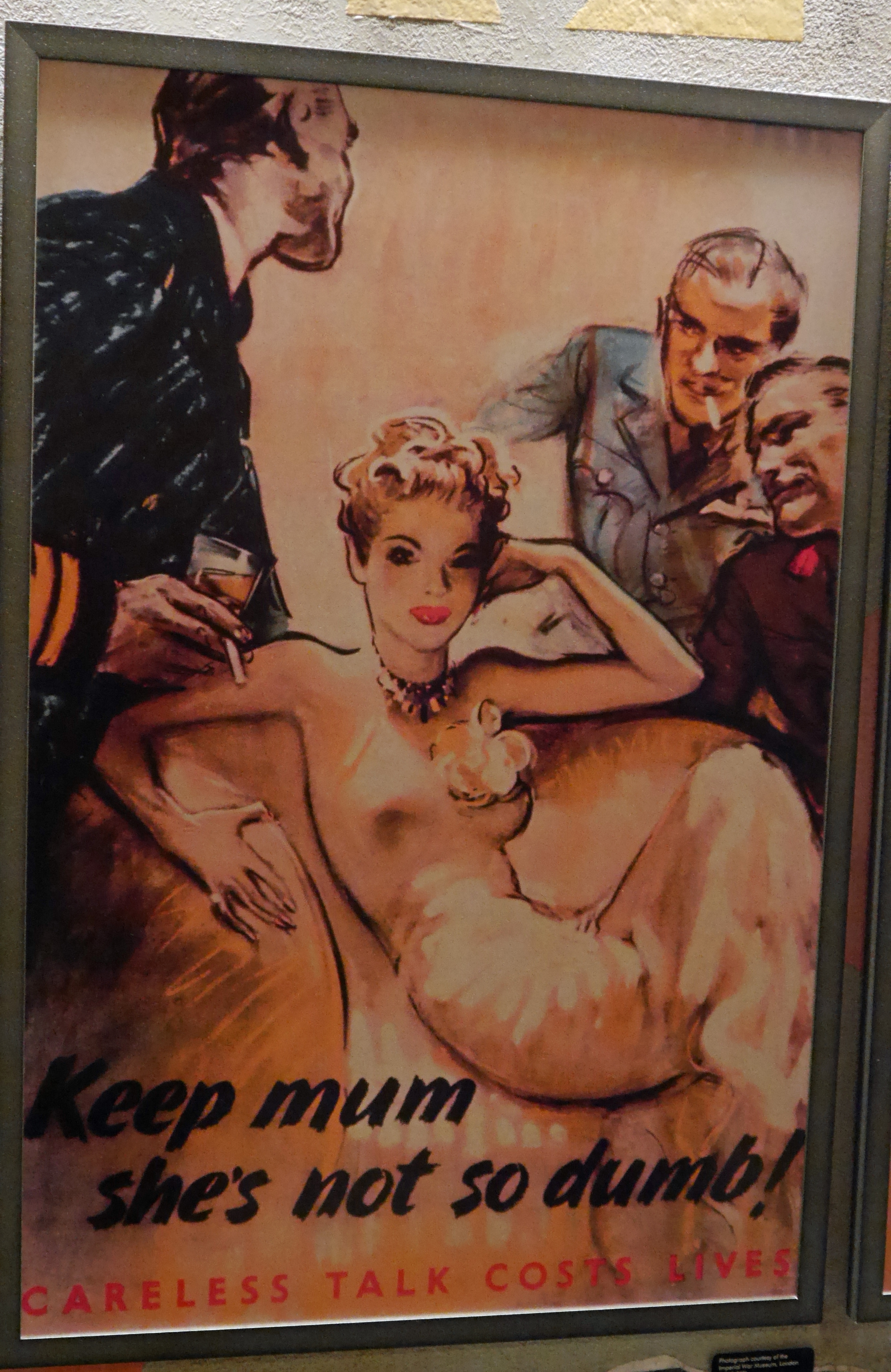
I liked this propaganda poster from World War II.
The Pentagon
After numerous security checks, we finally got to visit the Pentagon. The first emails we received from the Pentagon were pretty fierce. Failure to comply with condition X will result in the tour being “terminated” and so on. When we got to the Pentagon, there were signs everywhere warning us not to take photos as well as men in uniform all over the place. Architecturally, the building is ugly as it was designed in a brutalist style. But possibly brutalism is the effect that they had in mind. What surprised us though, was how low the planes from the nearby airport were flying. They only cleared the Pentagon roof by about 20-30 feet. Pretty scary given what happened on 9/11.
Once inside (after yet more security checks) we were surprised to find the Pentagon had a gift shop. Pentagon Fort America is possibly the safest gift shop in the world given its security. Near the gift shop, there was a fake Pentagon press conference lectern. I asked the women in the gift shop if I could take a photo with my phone and she said yes. I took out my phone whereupon I was pushed in the chest against a wall by this German bloke who pressed his face up against mine and said “no photos!”. He then asked me savagely “where are you from?” I said I was from Australia and he relaxed his grip saying “I wasn’t sure which side you were on.” He then went on to say that “I heard some Russians were here earlier, so you can’t be sure.” Turns out he was just a tourist but like a lot of the people on our tour, a patriot for “the good guys”.
The tour itself was amazing. We were assigned a US Air Force graduate as our tour guide who came direct from central casting. Think Tom Cruise in his dress uniform from A Few Good Men. Clean cut, rock jawed and with a sparkling clean uniform. Michelle said later “I just wanted to hug him, he was so clean.”
Our first stop was the Pentagon mall that has all the shops you might find in a US shopping mall (Starbucks, McDonalds etc) but inside the bloody Pentagon if you can believe it. Three thousand non-military personnel work in the shopping mall alone.
Most of the tour involved walking along endless corridors in the seven storey building. Each corridor looked the same with just security keypads on the doors so as not to identify what goes on in each room. Every now and then someone would emerge from a room in military fatigues and walk purposefully down a corridor. The corridors themselves are lined with exhibits and rare Congressional medals such as The Purple Heart. We visited the section of the building where the 9/11 attacks occurred and which are now lined with quilts honouring the victims. There is also a special chapel that has been built there and an outdoor monument.
We finished the tour by walking past the centre courtyard which is where everyone goes to relax or have lunch. The Pentagon is an amazing place, and once you get through all the hoops to get into the inner sanctum, you felt pretty special.
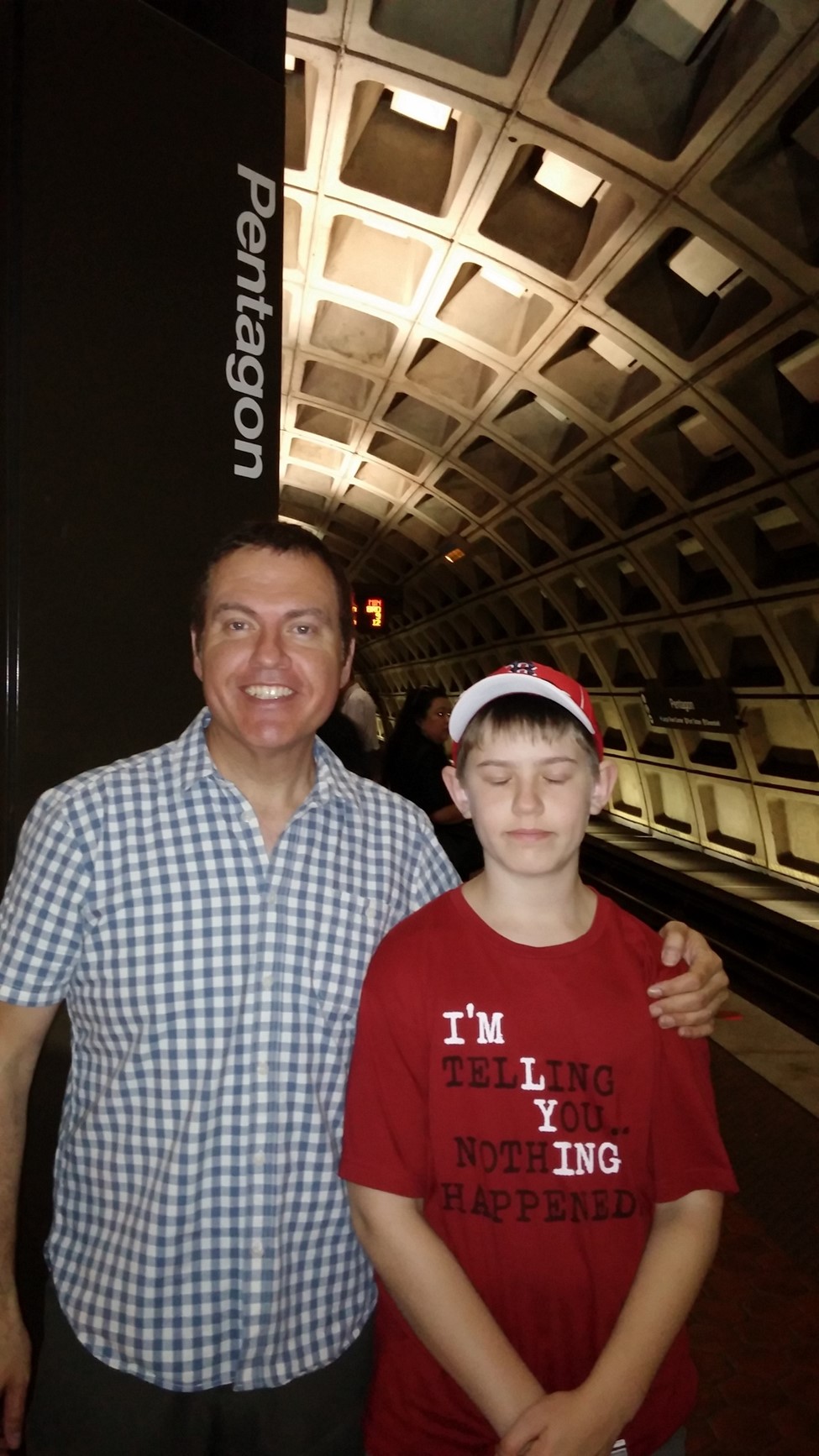
The Pentagon subway station. Harrie is either having a microsleep or using his telepathic powers to probe the military minds above.

After expelling a lot of hot air at the United Nations we realised that the time for talk was over. We now needed to take direct action and so we approached the Pentagon for support. Harrie reminded opponents of his pocket money parity bill that he would resort to force if necessary. Meanwhile, Michelle and I are supportive parents but more than a little bit frightened.
The Smithsonian Institution
James Smithson was the secret bastard child of the First Duke of Northumberland and an amateur dabbler in science. He never made any significant discoveries and he never visited the United States. Despite this, there are now nineteen museums in the United States bearing his name. How did this happen?
Well, Smithson received a large inheritance from his mother and, as he never married, he had no one to give it to. He decided in the end to give it to his favourite nephew who was unmarried like him but stipulated in his will that if his nephew was to die without heirs, then he would “bequeath the whole of my property, . . . to the United States of America, to found at Washington, under the name of the Smithsonian Institution, an Establishment for the increase & diffusion of knowledge among men.” Why he chose America rather than Britain is unknown but some have thought it was due to his resentment with the British ruling classes who had snubbed him due to his illegitimate birth.
We visited three Smithsonian museums in Washington. Starting with the original Smithsonian Museum of American History that was established in 1846 and, as the name suggests, features wings dedicated to different aspects of American History.

James Smithson

No wonder they call it a stovepipe hat.

Can’t see an Australian version of this. Come and play the exciting new game of THE ABBOTTS.

Hey, Hey LBJ – How many darts did you get hit by today?
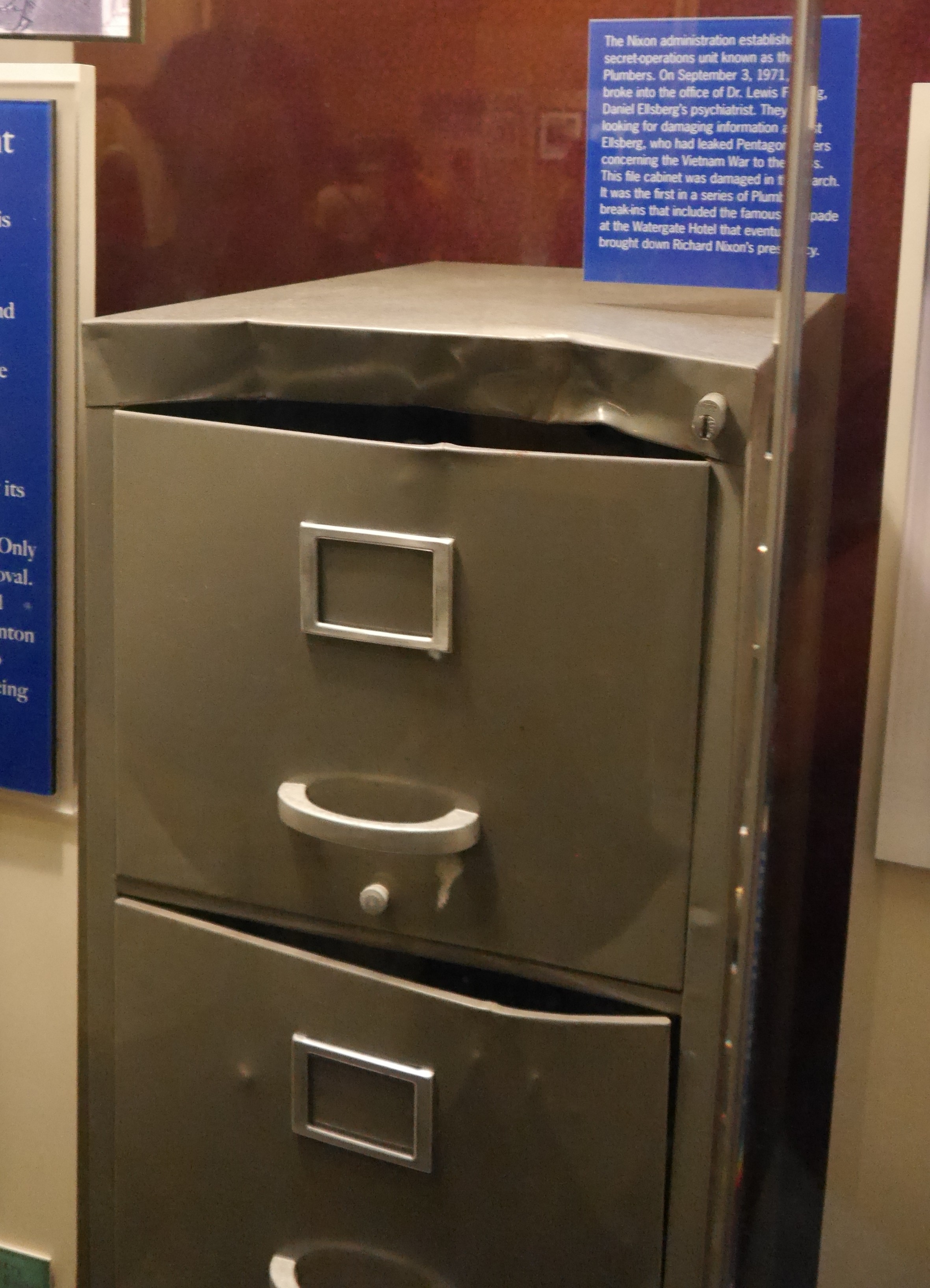
The crow-barred filing cabinet from the Democrat Headquarters in Watergate.

“The Football”- The briefcase containing the military codes needed to launch a nuclear strike. This always accompanies the President of the United States. This is Bill Clinton’s “football”.

The Greensboro lunch counter where the Greensboro sit-ins against racial segregation occurred in 1960. This is what makes the Smithsonian great. They simply took the whole lunch counter out of the diner in North Carolina (could there be anything finer).

I loved this 1873 Sholes and Glidden typewriter.
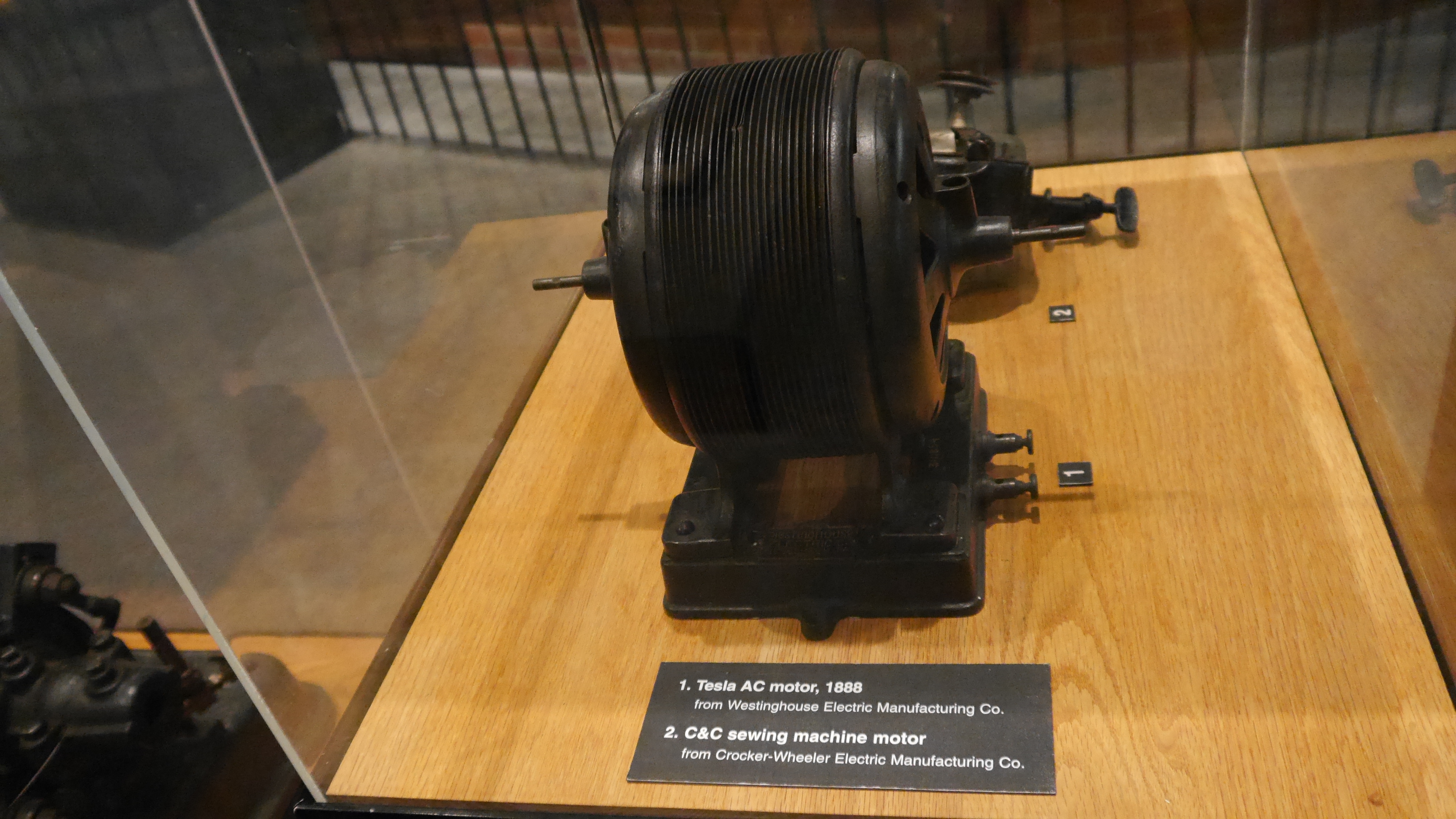
An early Tesla AC motor.
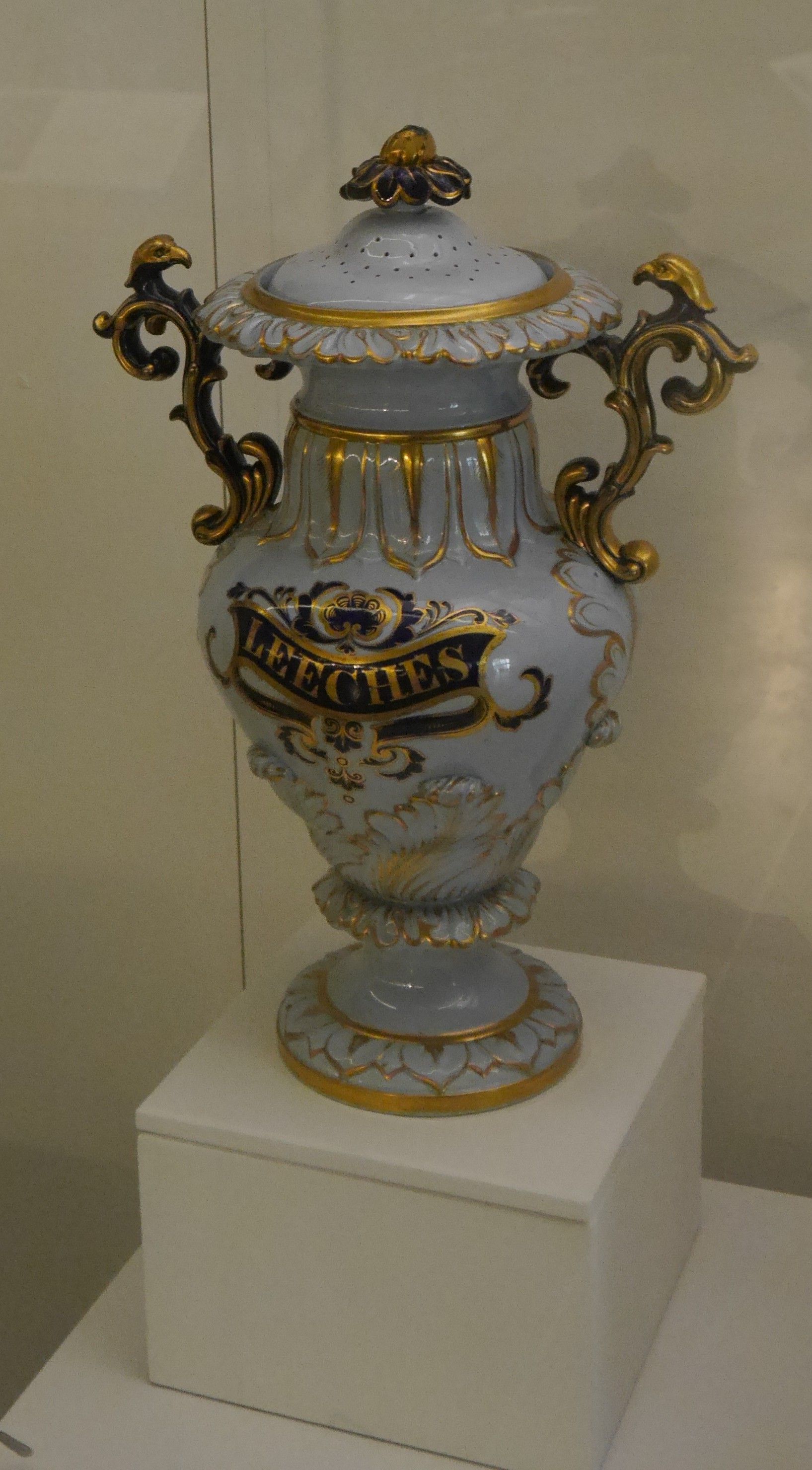
Where posh people keep their leeches.
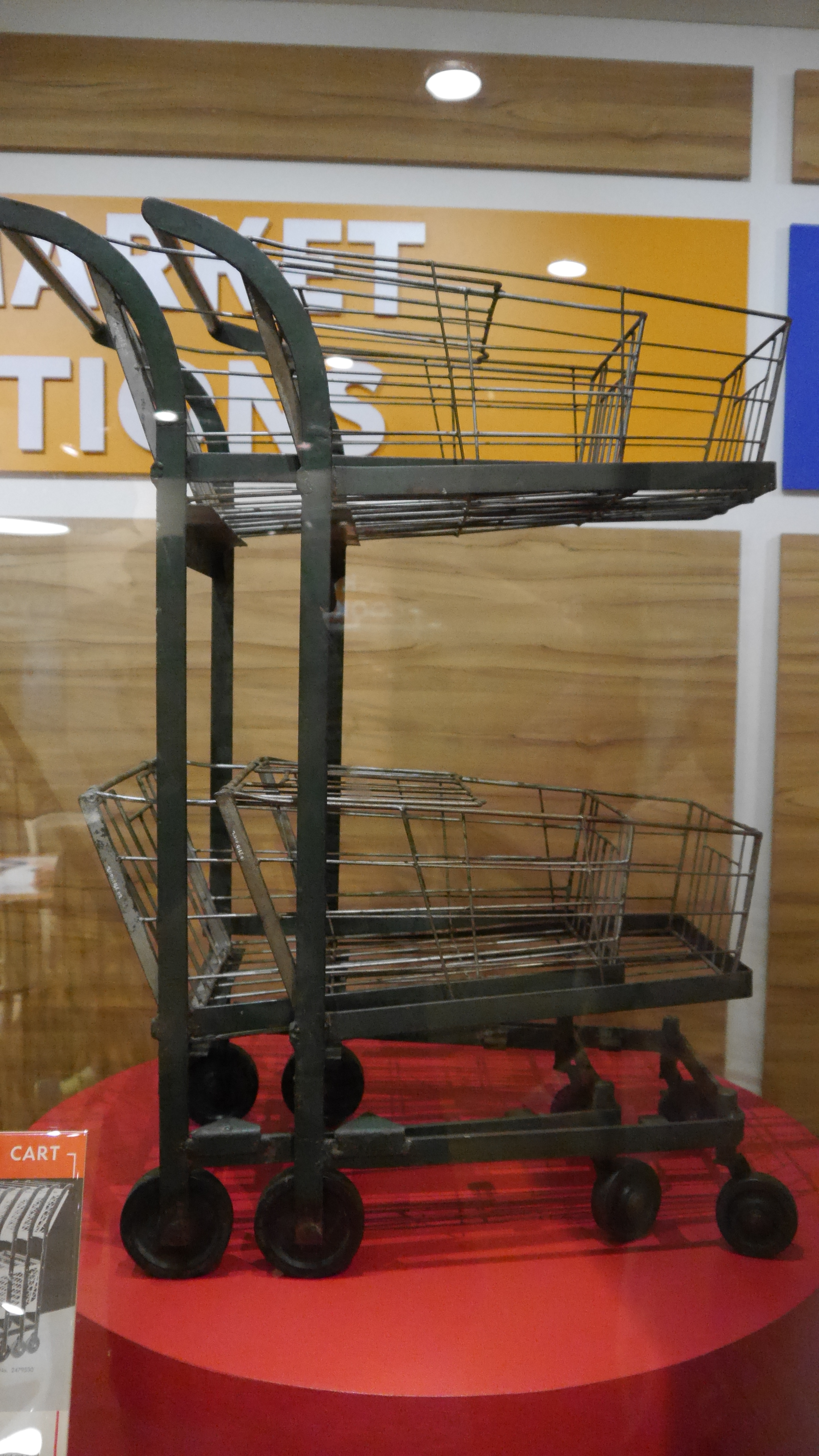
An unexpectedly interesting exhibit at the Smithsonian about the invention of shopping trolleys. They were invented by Slyvan Goldman of the Piggly Wiggly chain (more about them in the post from Memphis) in 1937. We learnt that a recent study shows that shopping trolleys have been growing since the 1970s. Apparently, today’s average US shopping trolley is three times bigger than the average shopping trolley in 1975.
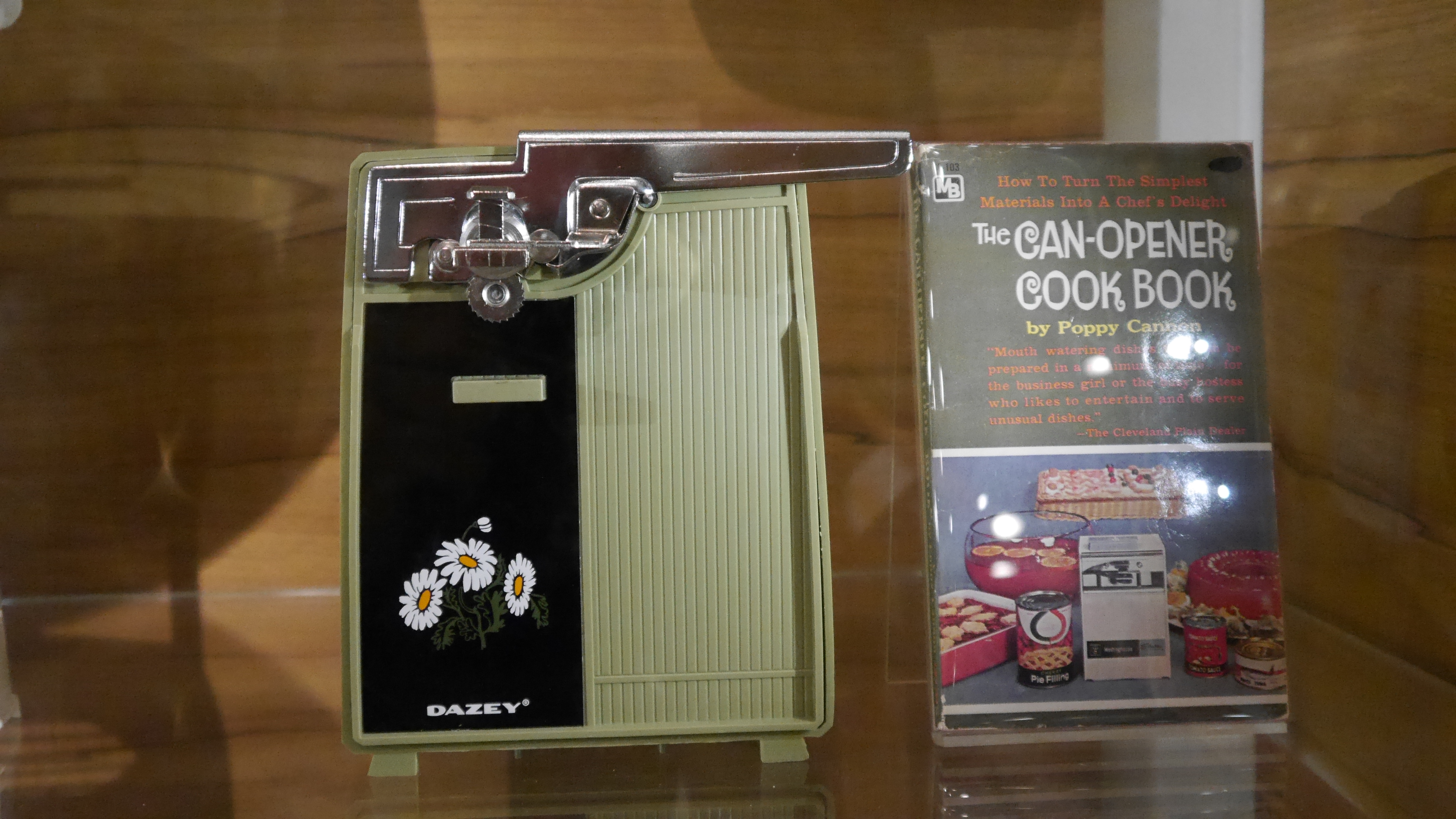
Geez. Not only do you have to open the can, you have to cook it too?
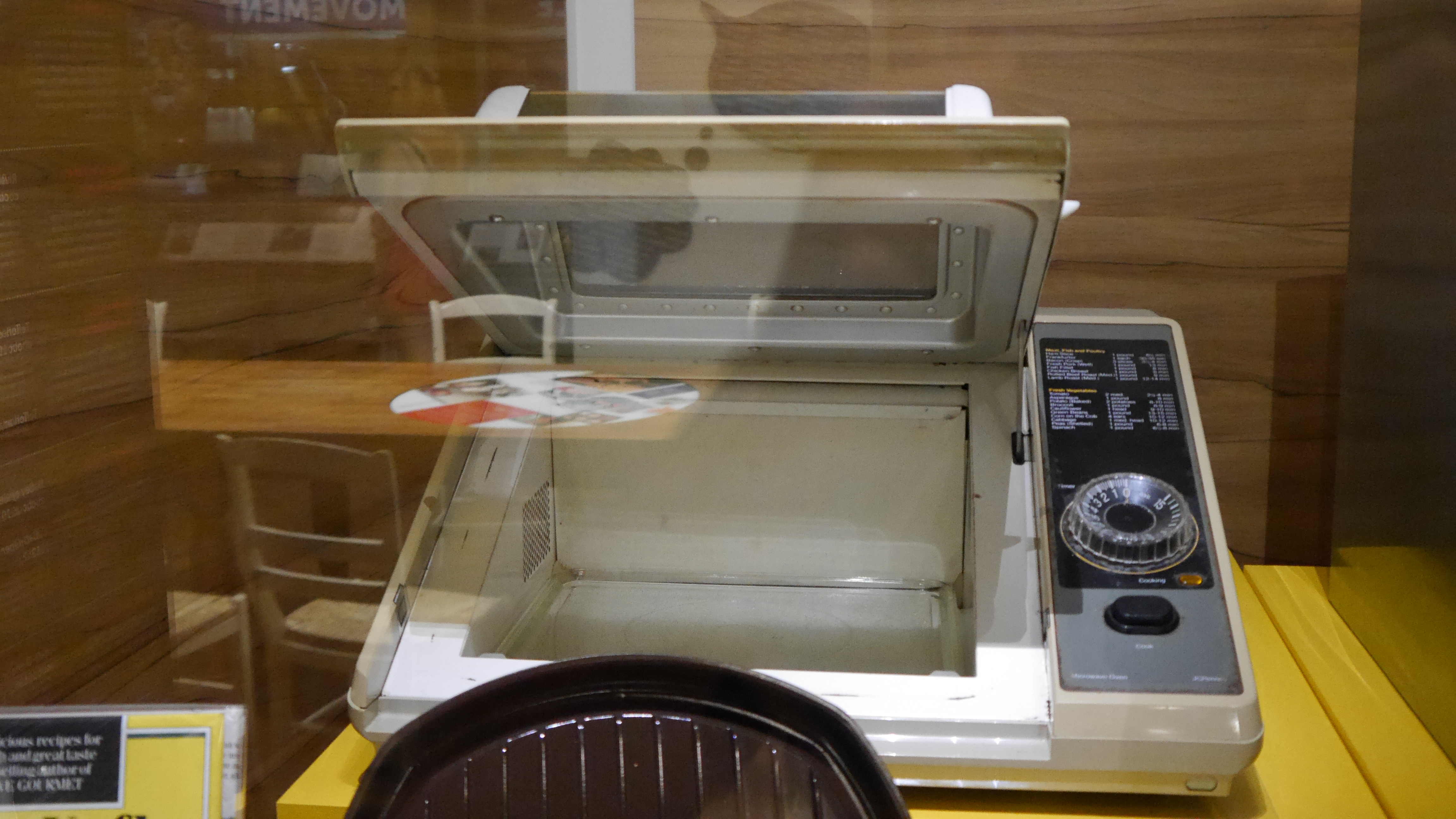
The microwave oven. Invented in 1945 by self-taught American engineer Percy Spencer but popularized by the Japanese in the 1970s. This one is a 1976 Matsushita Electric Industrial Company model. This was marketed as a “National” model in Australia. Of course. Matushita changed their name to Panasonic in the 1980s.

I have always loved aluminium cups. They remind me of camping as a kid. Here is an original set on display in the Smithsonian. Bask in the brushed aluminium glory.
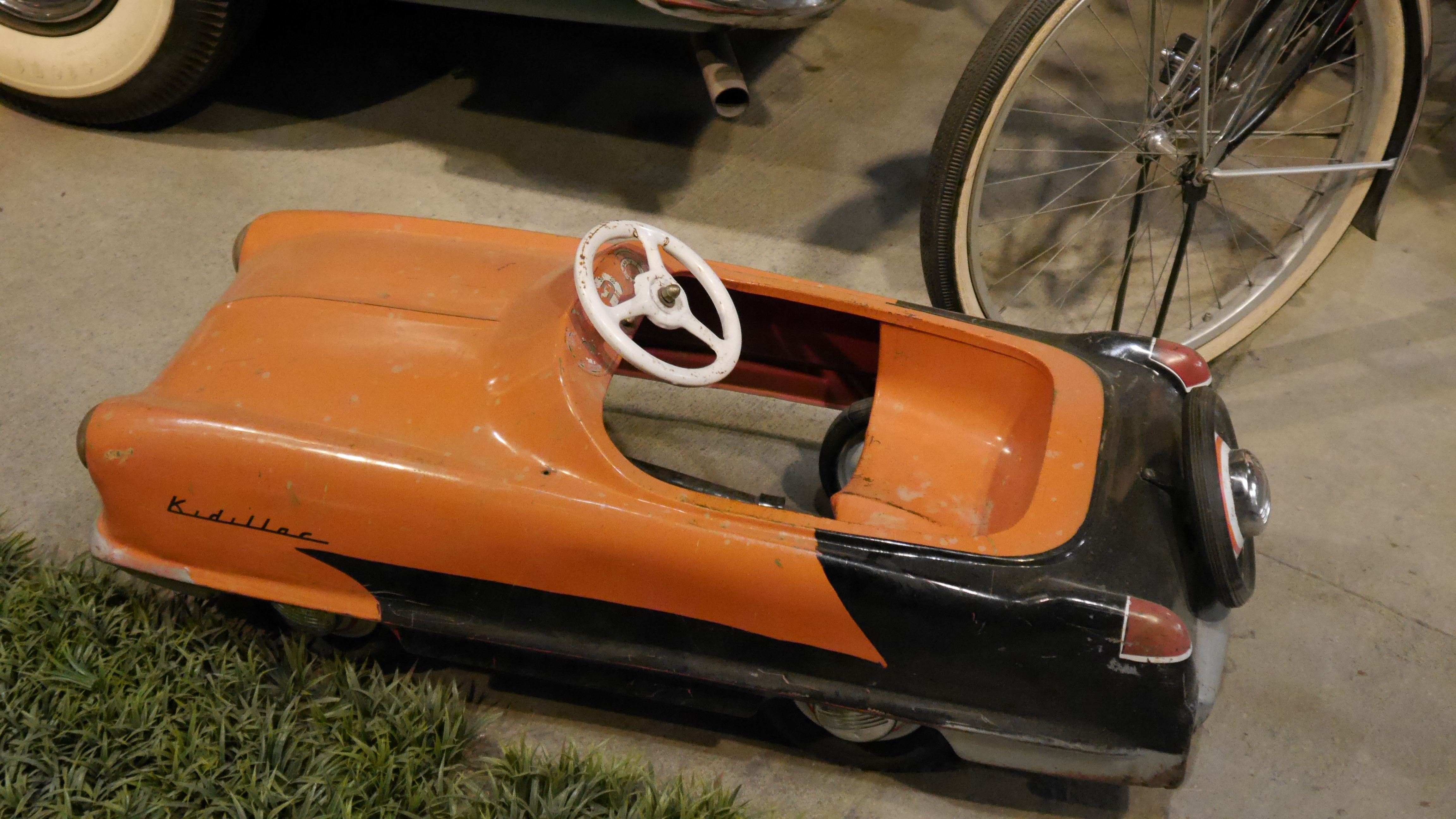
The Kidillac – the Cadillac for kids.

Thomas Osbourne’s 1964 prototype for Hewlett Packard’s first electric calculator.
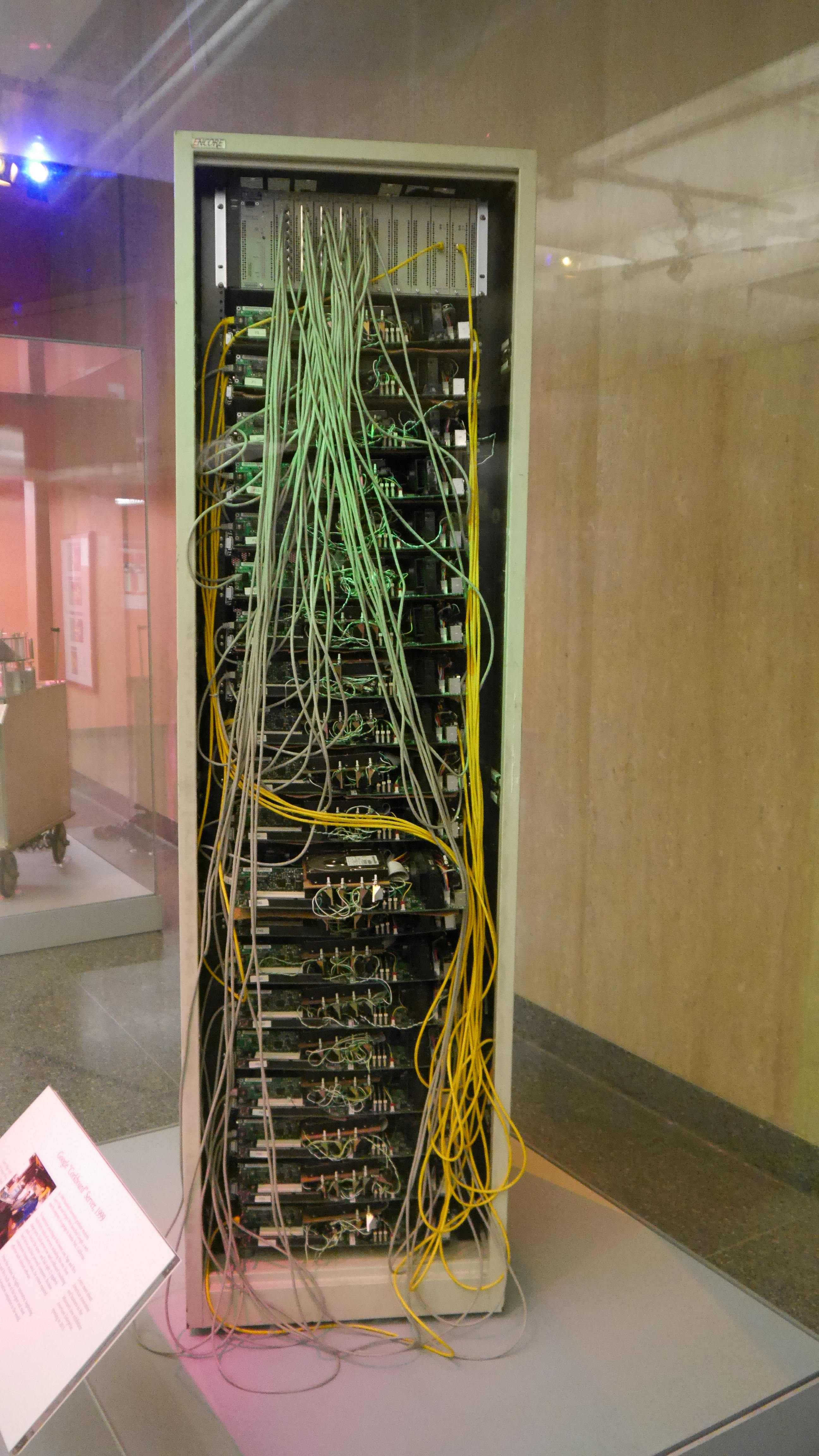
One of Google’s first “corkboard”servers from 1999. Google started with thirty of these, each housing eight 22Gb (gigabyte) hard drives. In other words, 5.2TB (terrabytes) to capture all the Internet searches back in 1999. Today, Google houses 15 exabytes of data. An exabyte is one million terrabytes.
The Smithsonian National Air and Space Museum
The second Smithsonian we visited was the Smithsonian National Air and Space museum, America’s most-visited museum.
It took us two days to see everything as it is so big and almost every exhibit is fascinating. From the Wright Brothers famous Kitty Hawk flyer to the Apollo 11 command module, it has it all. And what it doesn’t have is housed at an even bigger museum near Dulles Airport in Virginia.

Aussie flight pioneer Lawrence Hargrave is prominently featured in the Smithsonian. Here is his ornithopter design from 1890.
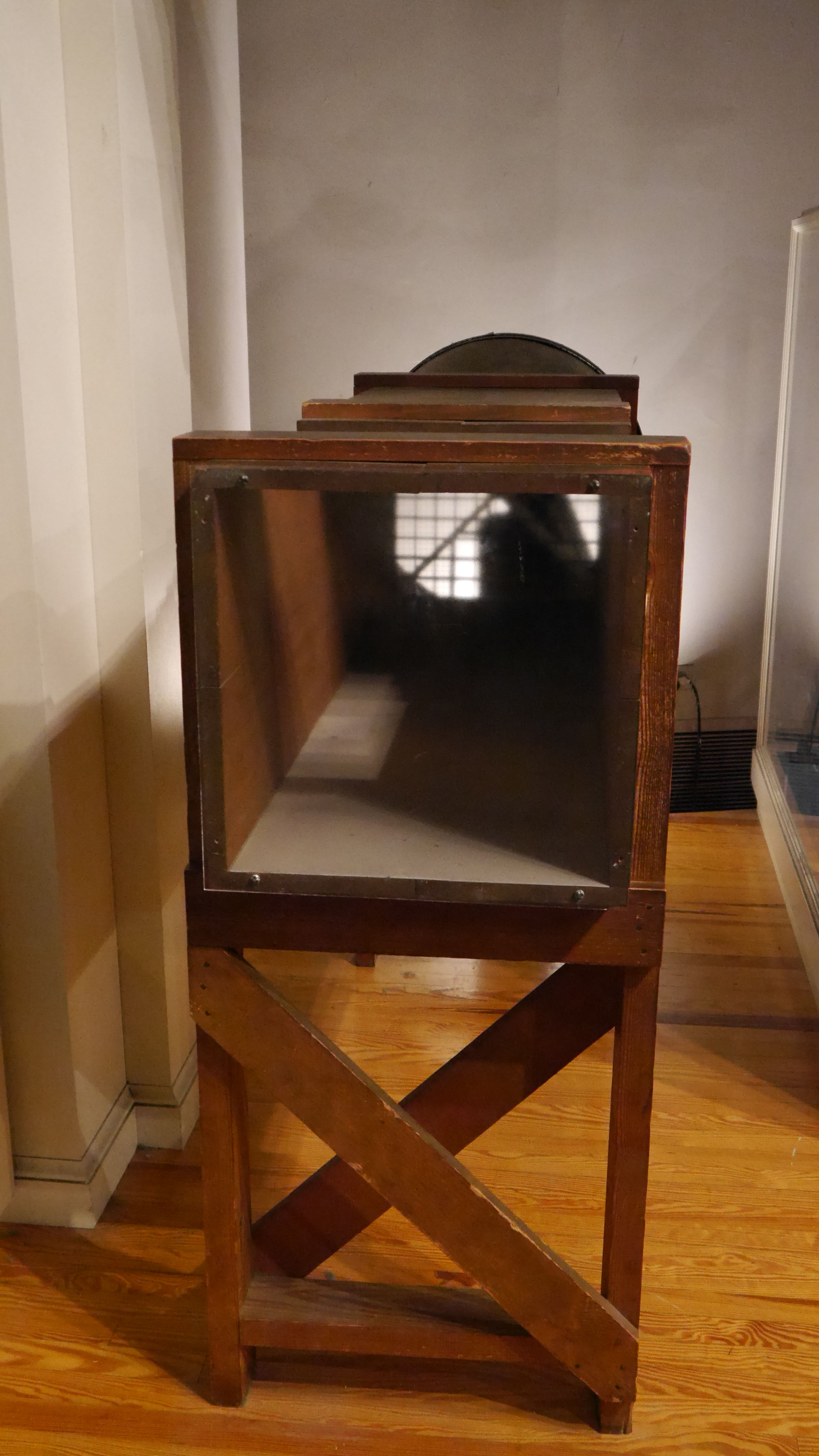
An early wind tunnel built by the Wright brothers to test the wings of their plane.

The 1903 Wright flyer. This the plane that flew at Kitty Hawk in North Carolina on the 17th of December 1903. Orville Wright piloted it and flew for twelve seconds at 36 metres off the ground.
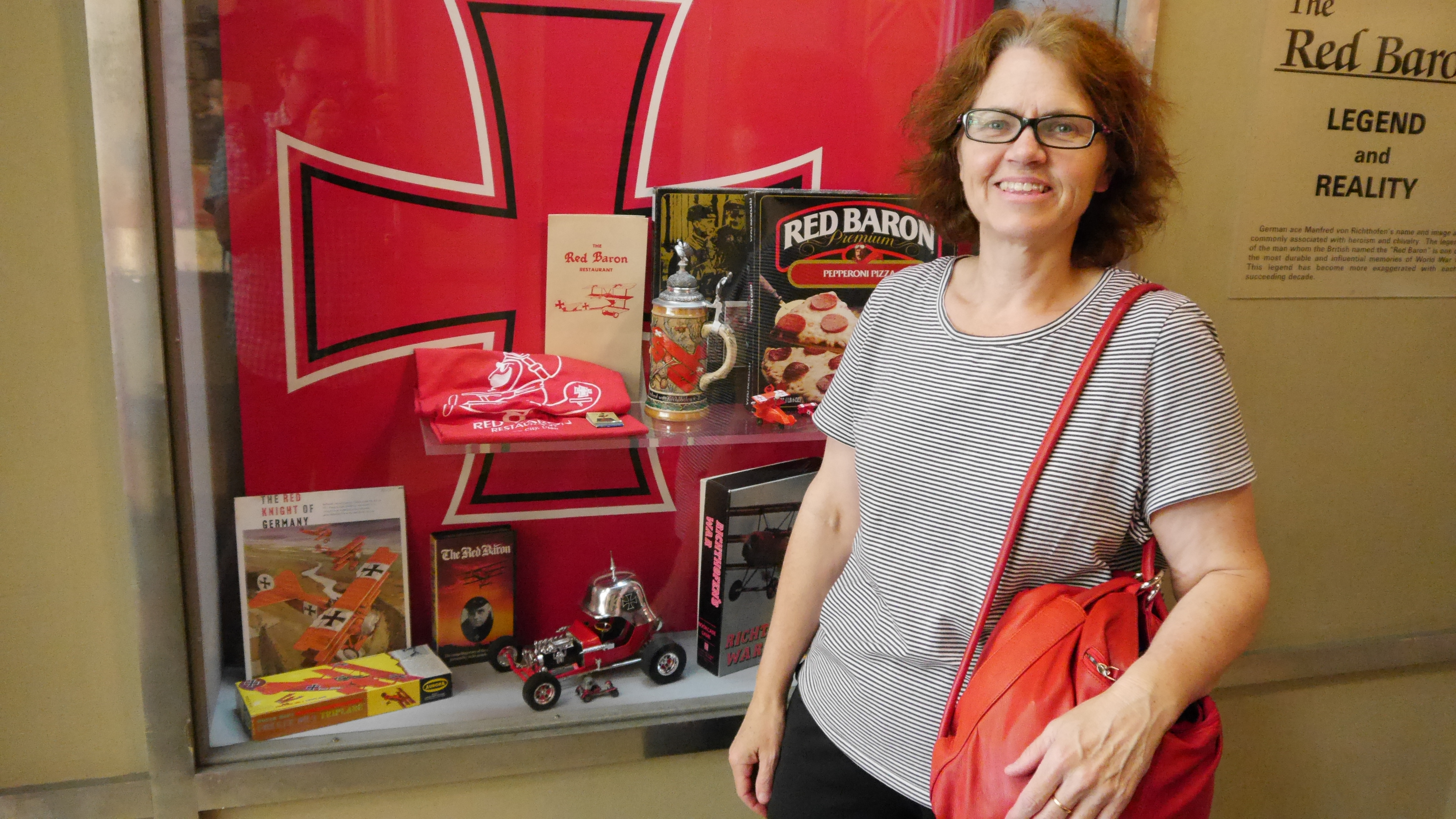
The Red Barron.

Der Rote Staatsbeamte.

Charles Lindbergh’s Spirit of St Louis that made the first non-stop Atlantic flight from New York to Paris in 1927. To it’s right is Spaceship One, Paul Allen’s (co-founder of Microsoft) spaceship that made the first private manned space flight in 2004.

Just one part of the sprawling “hanger”that is the Smithsonian National Air and Space Museum.

The Apollo 11 Command Module that returned Neil, Buzz and the other guy back from the moon in 1969.
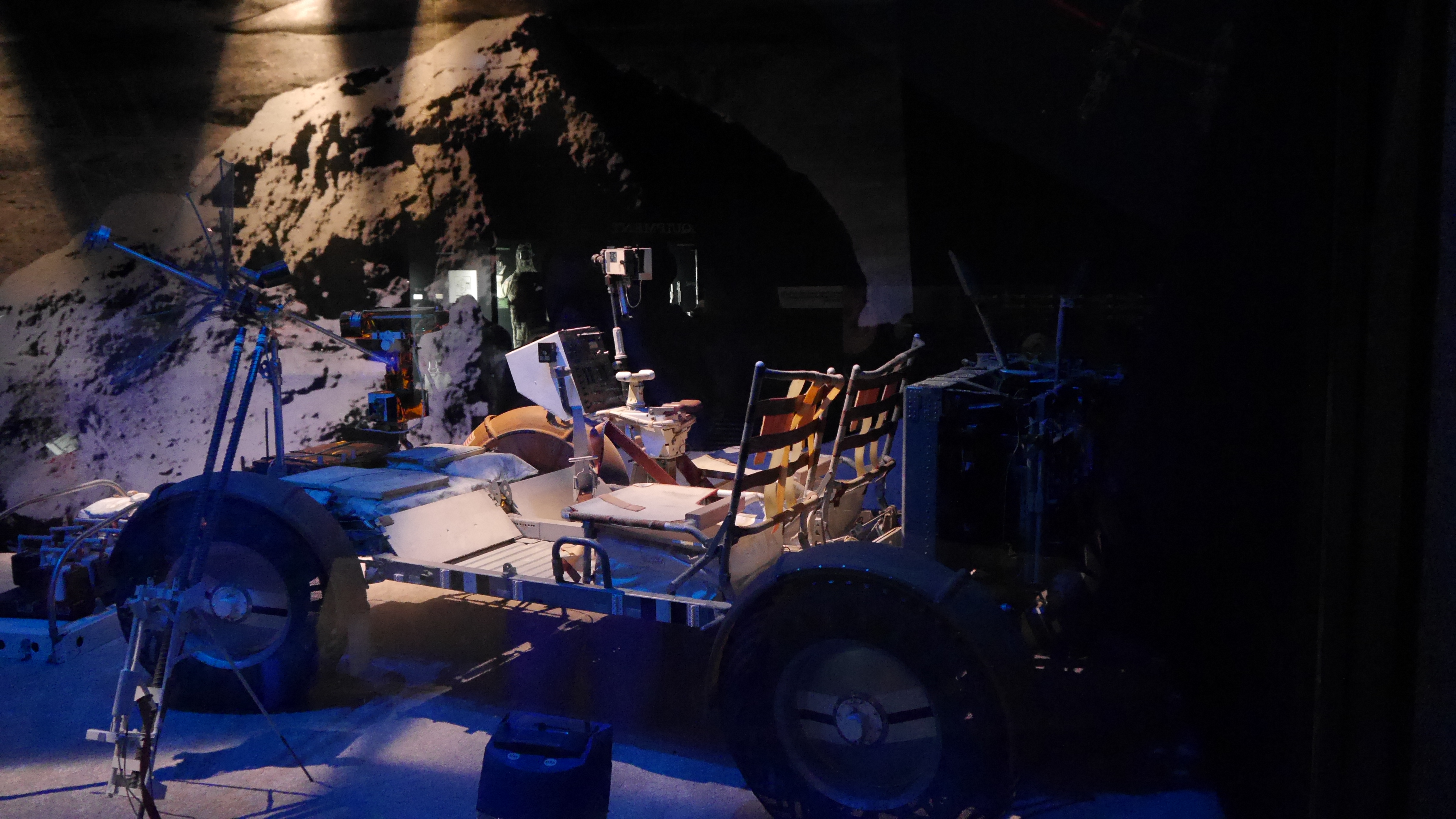
You can understand the thinking at NASA back in the early seventies. Okay, so we have put a man on the moon – what next? What’ is the next logical step – a women perhaps? No, space is not for chicks. No, once a man has been on the moon he needs to put his car on the moon. So, in 1974, NASA took the Lunar Rover for a spin around the moon. Awesome. The first American woman in space was Sally Ride who rode on the Space Shuttle Challenger in 1983 almost twenty years after the Russians put Valentina Tereshkov in space in 1963.

Of course, the moon rev-heads had a prang and busted a fender. Being miles from a garage, they resorted to every bloke’s quick-fix tool – duct tape. They made a replacement fender out of the moon maps they had in their pockets (I guess it must be easy to get lost on the moon) and duct tape. I think this gets boasting rights as the best car repair story.
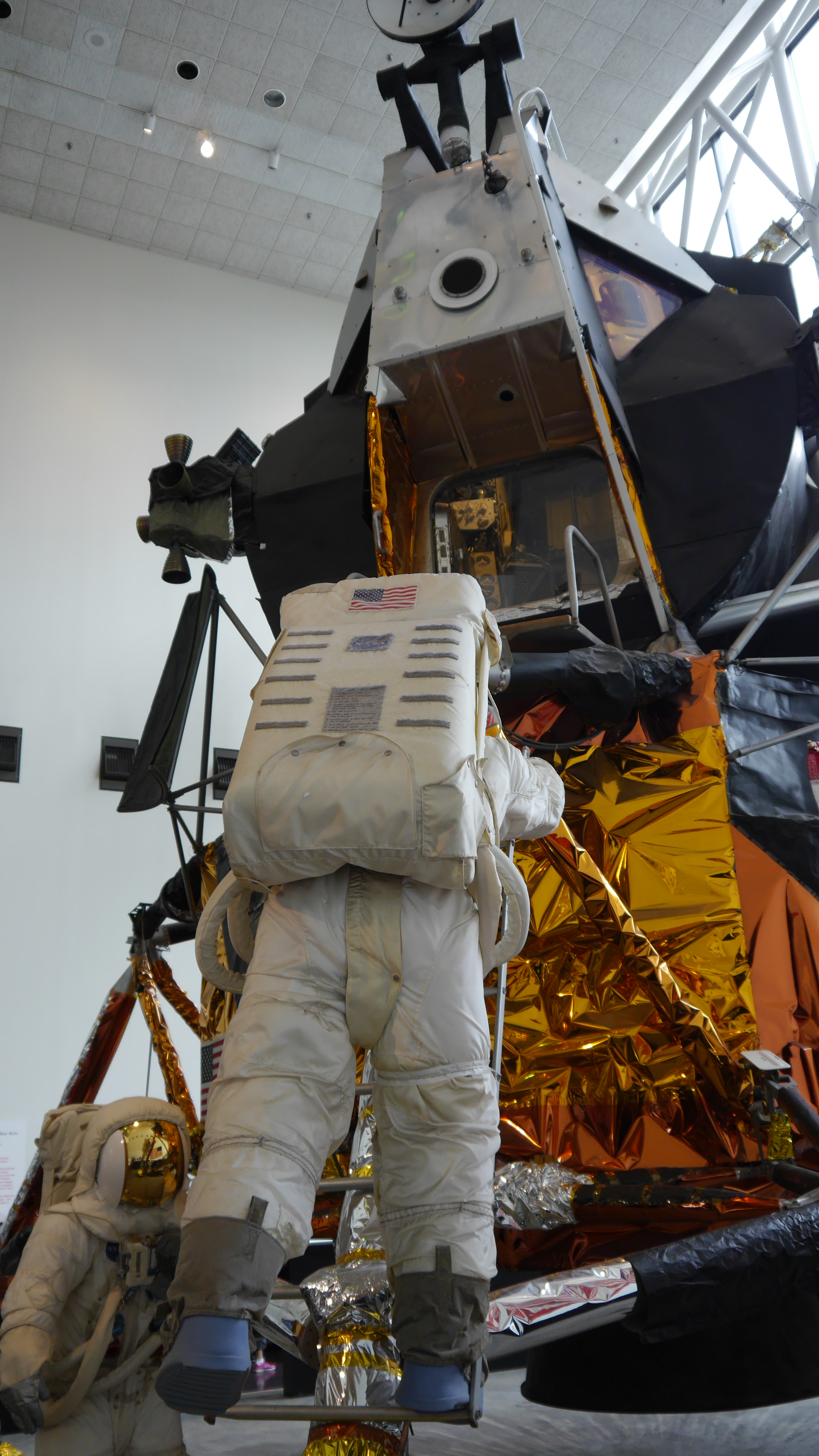
An early prototype of the Apollo 11 Lunar Lander.

No wonder the Russians never got to the moon. This a picture of the space suit that was to be used on a USSR moon mission. Geez, were their cosmonauts so old that they had to get around in rollators and zimmer frames?
The Willard Hotel
Home of the term “lobby”. Every president since Franklin Pierce (in 1853) has stayed at the Willard and it is where most Aussie politicians stay when they are in town. We went looking for a travel agent to talk about options for a possible cruise or trip to Cuba. We spoke to a Chinese-American bloke who wanted to know where we were from. When we said we were from Australia, he got very excited and said that his nephew was from Australia and was in Washington because he worked for the guy who is going to be the leader of Australia soon. We asked who that was and he said he couldn’t remember his name but knew he was the leader of the Labor Party and that his mother-in-law worked for the Queen of England. We volunteered “Bill Shorten” and he said that yes, that was the man. He said “he come to Washington to meet Obama as he think he is very important and will run country; that is what my nephew say. He stay in the Willard where the important people stay.”
The term lobby came from the grand lobby of the hotel where those with vested interests used to come to bend the ear of a visiting politician. And it still seems to be an active meeting place. Although we didn’t see Big-shot Bill.
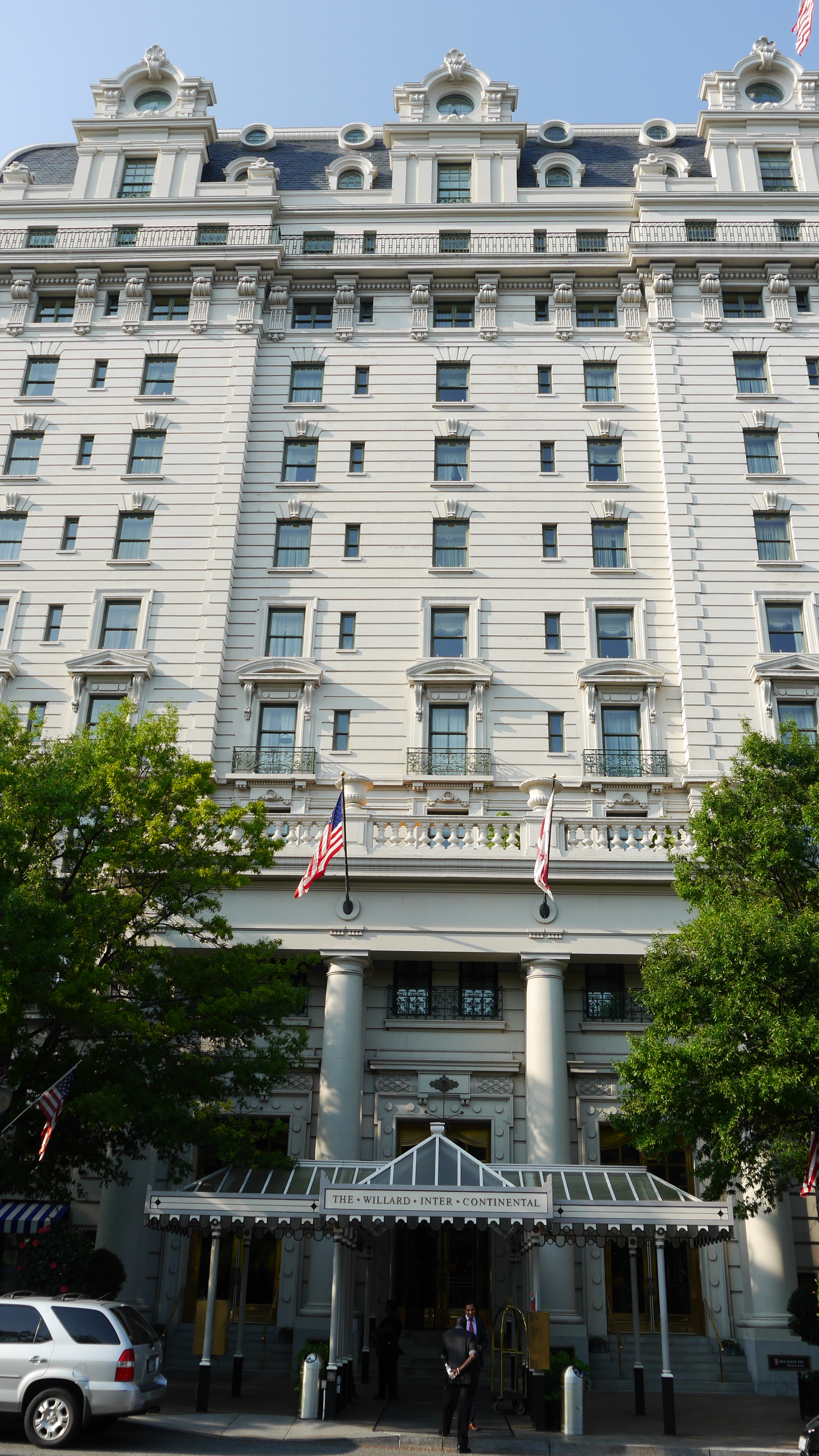
The Willard Hotel. Built in 1847.
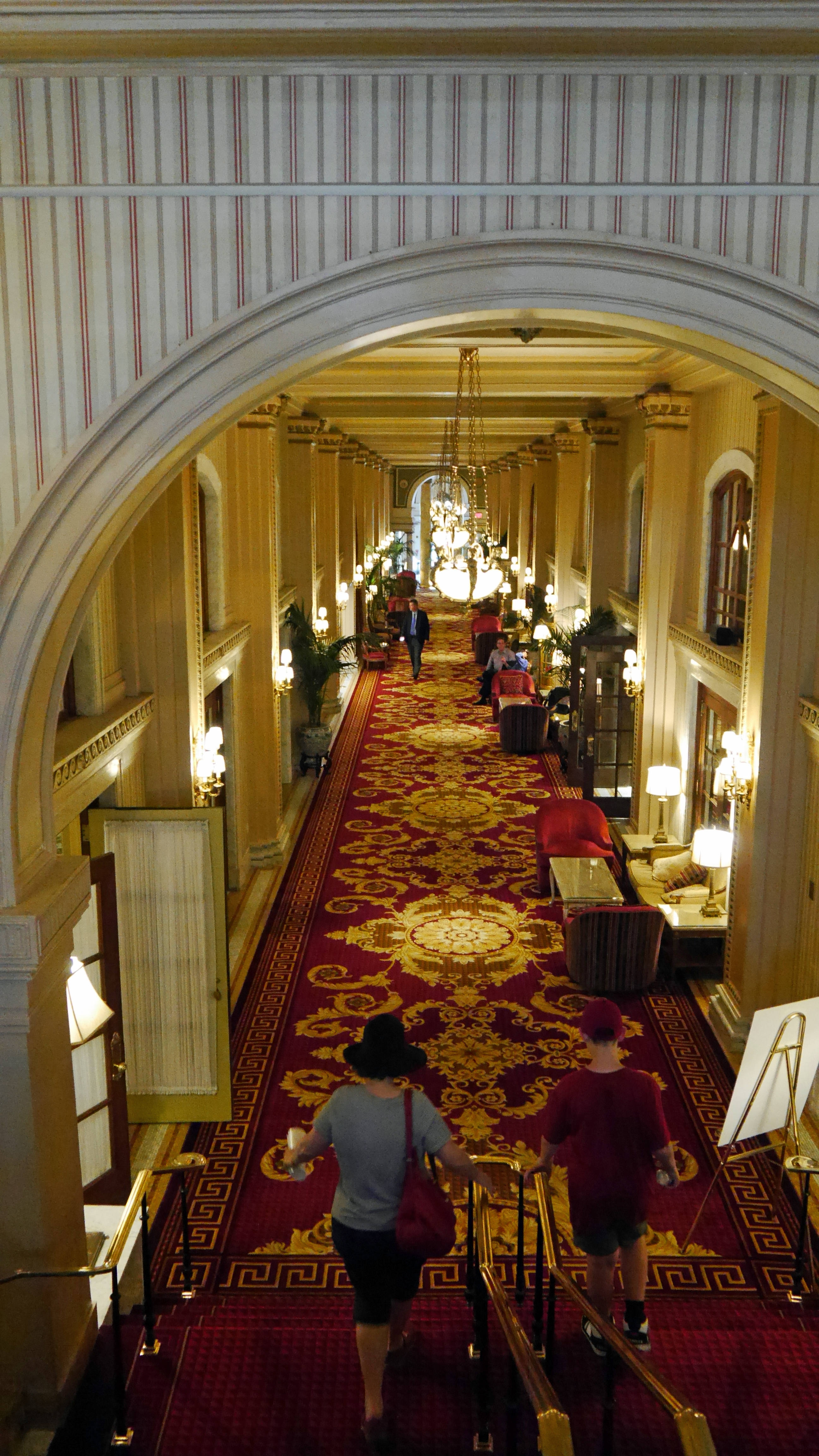
The Willard lobby.
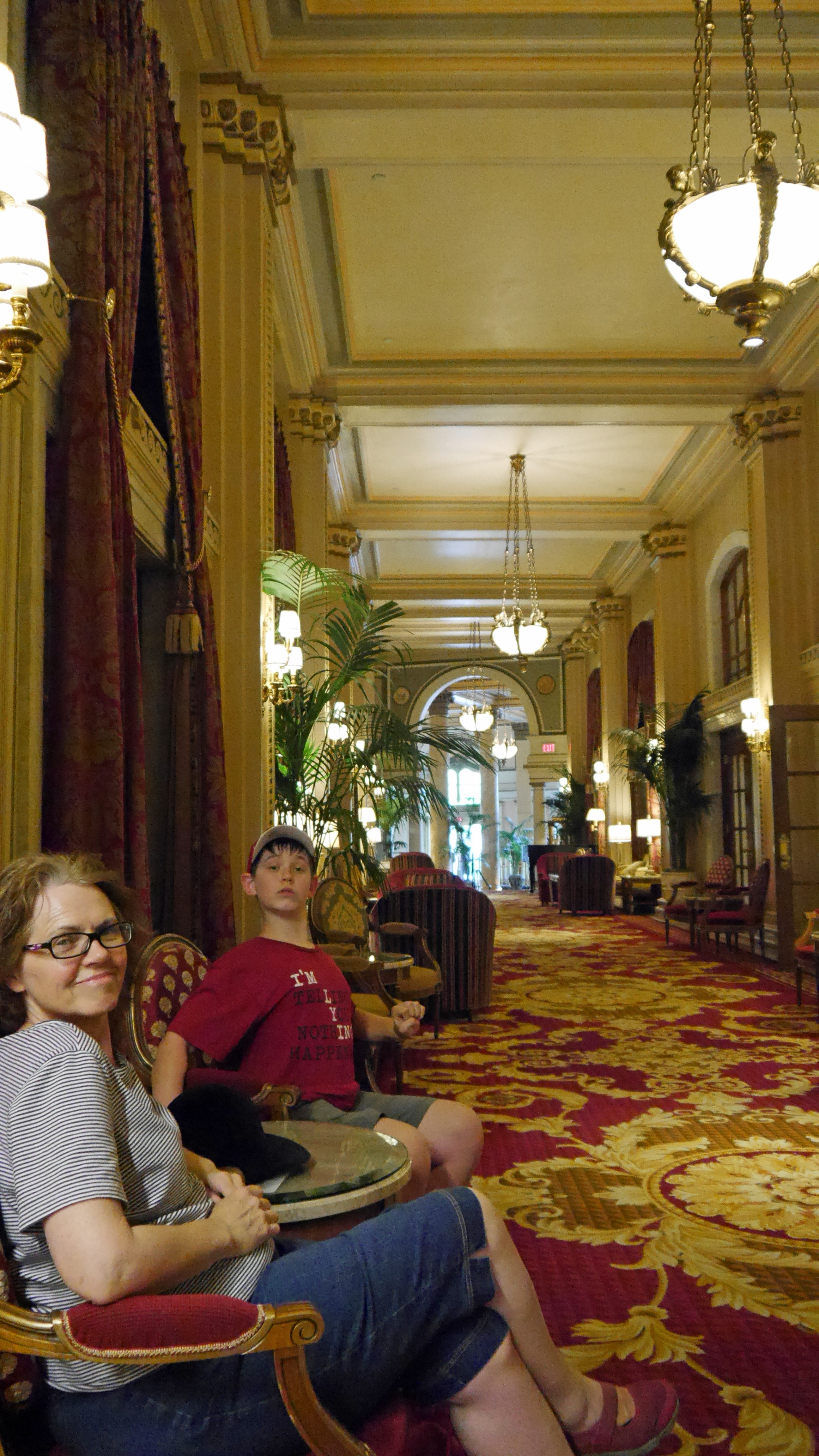
Two unsavory looking lobbyists.

Having failed at the United Nations and the Pentagon, Harrie asks President Obama to take action on his pocket money for video games bill. When he refuses, Harrie organizes a coup d’etat. Meet the 45th President of the USA.

El Presidente and his advisers on their first (and last) day in office. The military restored order shortly after this photo was taken.
 ourtripyall.com